Comparing Energy Efficient Appliances for Your Home
Reduce your carbon footprint with energy-efficient appliances. This guide compares leading models for refrigerators, washing machines, and more.
Reduce your carbon footprint with energy-efficient appliances. This guide compares leading models for refrigerators, washing machines, and more.
Comparing Energy Efficient Appliances for Your Home
Why Energy Efficient Appliances Matter for Your Wallet and the Planet
Hey there, savvy homeowner! Ever thought about how much energy your everyday appliances are gobbling up? It's probably more than you think! But here's the good news: switching to energy-efficient appliances isn't just a win for Mother Earth; it's a massive win for your wallet too. We're talking about lower utility bills, a smaller carbon footprint, and often, better performance from your gadgets. In this deep dive, we're going to explore why making the switch is a no-brainer, what to look for when you're shopping, and we'll even compare some top-notch models across different categories. So, let's get started on making your home a greener, more affordable place to live!
Think about it: every time your fridge hums, your washing machine spins, or your dishwasher cleans, it's drawing power. Older appliances, especially those from a decade or two ago, weren't designed with energy efficiency as a primary concern. They were built to do a job, and that was pretty much it. Fast forward to today, and technology has come a long way. Manufacturers are now integrating smart features, advanced insulation, and innovative designs that drastically cut down on energy consumption. This isn't just about being 'eco-friendly' for the sake of it; it's about smart economics. The initial investment in an energy-efficient appliance might be slightly higher, but the long-term savings on your electricity bill often make up for it many times over. Plus, many governments and utility companies offer rebates and incentives for purchasing these appliances, making the deal even sweeter. It's a win-win situation: you save money, and you contribute to a healthier planet by reducing greenhouse gas emissions.
Understanding Energy Star Ratings and Other Efficiency Labels
Alright, so you're convinced that energy-efficient is the way to go. But how do you actually spot these eco-champions in a sea of appliances? That's where energy efficiency labels come in handy. The most common and widely recognized one, especially in the US and parts of Southeast Asia, is the ENERGY STAR label. If you see this blue badge, it means the product meets strict energy efficiency guidelines set by the U.S. Environmental Protection Agency (EPA) and Department of Energy (DOE). It's a quick and easy way to identify products that are top performers in energy savings.
But it's not just about the ENERGY STAR logo. You'll also want to look at the EnergyGuide label, which is usually a yellow sticker found on most major appliances. This label provides more detailed information, including the estimated annual energy consumption in kilowatt-hours (kWh) and the estimated annual operating cost. It also shows a range of energy costs for similar models, allowing you to compare how a particular appliance stacks up against its competitors. The lower the numbers on this label, the more energy-efficient the appliance is. Some regions might also have their own specific labels, like the EU Energy Label or similar certifications in Southeast Asian countries, which provide similar comparative information. Always check for these labels and understand what they mean before making a purchase. They are your best friends in navigating the world of energy efficiency.
Energy Efficient Refrigerators Keeping Your Food Fresh and Bills Low
Let's kick things off with one of the biggest energy hogs in your kitchen: the refrigerator. It runs 24/7, so making sure it's energy-efficient is crucial. Modern refrigerators have come a long way, with better insulation, more efficient compressors, and smart features that optimize cooling. When shopping for a new fridge, look for models with the ENERGY STAR certification. Also, consider the size – a larger fridge uses more energy, so choose one that fits your family's needs without being excessively big.
Top Energy Efficient Refrigerator Models and Their Features
Here are a few standout models that consistently rank high in energy efficiency and user satisfaction:
* **LG LFXS26596S (French Door Refrigerator):** This model is a fantastic choice for families. It boasts an ENERGY STAR Most Efficient rating, meaning it's among the top performers. It features LG's Smart Cooling Plus system, which maintains optimal temperature and humidity levels, keeping food fresher for longer. It also has a Door-in-Door feature, allowing quick access to frequently used items without opening the main door, thus reducing cold air loss. Expect an annual energy consumption of around 600-650 kWh, with an estimated annual operating cost of about $70-$80. Prices typically range from $2,500 to $3,500, depending on sales and retailers. This fridge is perfect for a busy family kitchen where fresh food storage and quick access are priorities.
* **Samsung RF23A9675AP (Family Hub Refrigerator):** While known for its smart features, this Samsung model also excels in energy efficiency. It's ENERGY STAR certified and incorporates advanced insulation and a digital inverter compressor that adjusts its speed based on cooling demand, leading to significant energy savings. The Family Hub screen, while a tech marvel, also helps with energy management by allowing you to see inside the fridge without opening the door. Its annual energy consumption is around 650-700 kWh, with an estimated annual operating cost of $75-$85. Prices are on the higher end, usually between $3,000 and $4,000, making it ideal for tech-savvy households who want a connected kitchen and are willing to invest in smart features that also contribute to efficiency.
* **Whirlpool WRF555SDFZ (French Door Refrigerator):** For those looking for a more budget-friendly yet energy-efficient option, this Whirlpool model is a solid contender. It's ENERGY STAR certified and focuses on core efficiency without too many bells and whistles. It uses adaptive defrost, which only runs when necessary, saving energy. Its annual energy consumption is typically in the 550-600 kWh range, with an estimated annual operating cost of $65-$75. Priced around $1,800 to $2,500, it's a great choice for smaller families or individuals who prioritize energy savings and reliable performance without breaking the bank.
When comparing these, consider your family size, budget, and how much you value smart features versus pure energy savings. All three are excellent choices for reducing your energy footprint.
Energy Efficient Washing Machines Cleaning Clothes Smarter Not Harder
Next up, the washing machine. This appliance can be a real energy and water guzzler, especially older top-loaders. Modern energy-efficient washing machines, particularly front-loaders, use significantly less water and electricity. They often feature advanced sensors that detect load size and fabric type, adjusting water levels and wash cycles accordingly. Look for models with both ENERGY STAR certification and a high Integrated Modified Energy Factor (IMEF) and Water Factor (WF) rating. Higher IMEF means more energy-efficient, and lower WF means more water-efficient.
Leading Energy Efficient Washing Machine Options for Your Laundry Room
Let's dive into some top picks for energy-efficient washing machines:
* **LG WM4000HWA (Front Load Washer):** This LG model is a consistent top performer in energy efficiency and cleaning power. It's ENERGY STAR Most Efficient certified and uses LG's AI DD (Artificial Intelligence Direct Drive) technology, which detects fabric weight and softness to choose the optimal wash pattern, reducing wear and tear on clothes and saving energy. It also features TurboWash 360 technology for faster wash times without compromising cleaning. Its estimated annual energy consumption is around 85-95 kWh, with an annual operating cost of about $10-$12. Water consumption is also very low. Prices typically range from $900 to $1,200. This is ideal for medium to large families who do frequent laundry and want both efficiency and advanced cleaning features.
* **Samsung WF45T6000AW (Front Load Washer):** Samsung offers a strong contender with this ENERGY STAR certified front-loader. It features VRT+ (Vibration Reduction Technology Plus) for quieter operation and Self Clean+ to keep the drum fresh without harsh chemicals. Its digital inverter motor is highly efficient and durable. Estimated annual energy consumption is around 90-100 kWh, with an annual operating cost of $11-$13. Prices are generally between $700 and $900, making it a great value for those seeking a reliable and efficient front-loader without all the premium smart features.
* **Whirlpool WTW5057LW (Top Load Washer with Agitator):** While front-loaders are generally more efficient, if you prefer a top-loader, this Whirlpool model is one of the most energy-efficient options in its category. It's ENERGY STAR certified and uses a traditional agitator, which some users prefer. It features a deep water wash option for heavily soiled loads and an auto-sensing feature to use the right amount of water. Its estimated annual energy consumption is higher than front-loaders, around 180-200 kWh, with an annual operating cost of $20-$25. Prices are typically $600-$800. This is a good choice for those who prefer the traditional top-load design but still want significant energy savings compared to older models.
When choosing a washing machine, consider your preferred loading style (front vs. top), the size of your laundry loads, and how much you're willing to spend on advanced features that enhance efficiency and convenience.
Energy Efficient Dishwashers Sparkling Dishes with Less Power
Dishwashers are another appliance where energy and water efficiency have seen significant improvements. Modern energy-efficient dishwashers use less water per cycle than washing dishes by hand, and they heat water more efficiently. Look for models with soil sensors that adjust the wash cycle based on how dirty your dishes are, and consider features like air-dry options instead of heated drying, which can save a lot of energy.
Comparing Top Energy Efficient Dishwasher Models for Your Kitchen
Here are some excellent energy-efficient dishwashers to consider:
* **Bosch 800 Series SHPM88Z75N (Dishwasher):** Bosch dishwashers are renowned for their quiet operation and exceptional cleaning, and this 800 Series model is no exception. It's ENERGY STAR certified and uses Bosch's patented CrystalDry technology, which uses natural minerals to absorb moisture and release heat, resulting in perfectly dry dishes without a heating element. It also features a third rack for silverware and flexible loading options. Its estimated annual energy consumption is around 230-240 kWh, with an annual operating cost of $27-$29. Prices typically range from $1,000 to $1,300. This is perfect for those who prioritize quiet operation, superior drying, and top-tier energy efficiency.
* **KitchenAid KDTM604KPS (Dishwasher):** This KitchenAid model offers a powerful clean with impressive energy efficiency. It's ENERGY STAR certified and features the FreeFlex Third Rack, which is the largest third rack available, accommodating more items. It also has a ProWash Cycle that determines the ideal cycle based on soil level and a fan-enabled ProDry System. Its estimated annual energy consumption is around 240-250 kWh, with an annual operating cost of $28-$30. Prices are usually between $900 and $1,200. This dishwasher is a great fit for those who need ample loading capacity and robust cleaning performance.
* **GE GDT665SMNES (Dishwasher):** For a more budget-friendly yet highly efficient option, the GE GDT665SMNES is a strong contender. It's ENERGY STAR certified and features a Piranha Hard Food Disposer with a stainless steel blade that pulverizes food particles, preventing clogs. It also has a Steam Prewash option for loosening tough soils. Its estimated annual energy consumption is around 250-260 kWh, with an annual operating cost of $30-$32. Prices typically range from $600 to $800. This model is ideal for those looking for solid performance and energy savings at a more accessible price point.
When choosing a dishwasher, consider how often you run it, the typical soil level of your dishes, and your budget. All these models offer excellent efficiency, but their features and price points vary.
Energy Efficient Ovens and Ranges Cooking Up Savings
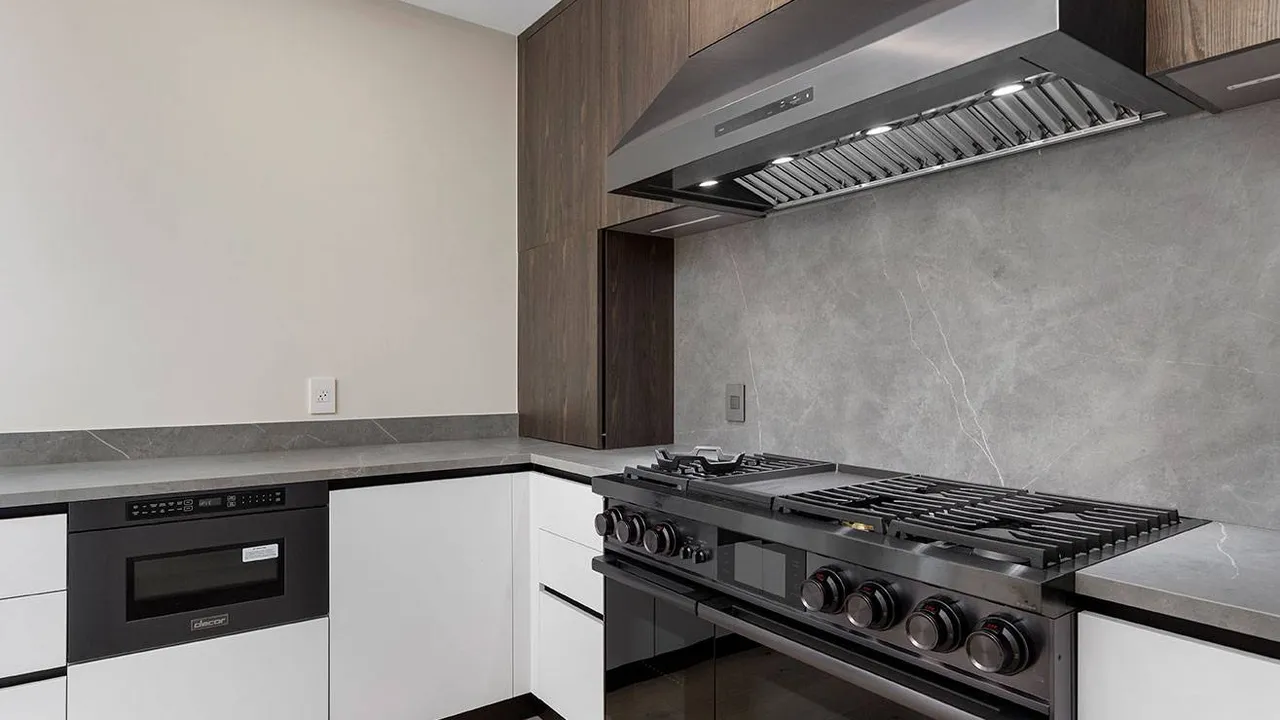
While refrigerators, washers, and dishwashers are often the first appliances people think of for energy efficiency, your oven and range also play a role. Electric ovens and ranges can consume a fair bit of energy, especially during preheating and prolonged cooking. Look for features like convection cooking, which circulates hot air for faster and more even cooking, reducing overall cooking time and energy use. Induction cooktops are also incredibly energy-efficient as they heat the cookware directly, minimizing heat loss.
Top Energy Efficient Oven and Range Options for Your Culinary Adventures
Here are some energy-efficient cooking appliances:
* **LG LREL6325F (Electric Range with Air Fry):** This LG electric range is ENERGY STAR certified and features ProBake Convection, which moves the heating element from the bottom to the back wall for optimal heat distribution, leading to faster and more even cooking. It also includes a built-in Air Fry function, allowing you to air fry without a separate appliance, saving counter space and energy. Its estimated annual energy consumption for the oven is around 300-350 kWh, with the cooktop varying based on usage. Prices typically range from $1,000 to $1,500. This range is perfect for home cooks who want versatile cooking options and efficient performance.
* **Samsung NE63T8711SS (Smart Induction Range):** Induction ranges are inherently more energy-efficient than traditional electric or gas ranges because they heat the pot directly through electromagnetic fields. This Samsung model is a prime example. It's ENERGY STAR certified and features a powerful induction cooktop with Virtual Flame technology, giving visual cues of heat intensity. The oven also includes convection cooking. Its energy consumption is significantly lower for the cooktop compared to radiant electric, and the oven is also efficient. Prices are usually between $2,000 and $2,800. This is an excellent choice for serious home chefs who prioritize precise temperature control, speed, and maximum energy efficiency.
* **Whirlpool WFE505W0HW (Electric Range):** For a more affordable yet energy-conscious electric range, this Whirlpool model is a good option. While not always ENERGY STAR certified (as ranges have different certification criteria), it's designed with efficiency in mind, featuring a large oven capacity and a fan convection cooking option for more even baking and roasting. Its energy consumption is competitive for its price point. Prices typically range from $700 to $1,000. This range is suitable for everyday cooking and offers a good balance of features and value.
When selecting an oven or range, consider your cooking habits, preferred fuel type (electric, gas, or induction), and how much you value advanced features like convection or smart connectivity.
Energy Efficient Water Heaters Hot Water Without the High Bills
Your water heater is another major energy consumer, often accounting for a significant portion of your utility bill. Traditional tank water heaters constantly heat and reheat water, even when you're not using it. Energy-efficient alternatives include tankless water heaters, which only heat water on demand, and heat pump water heaters, which use electricity to move heat from one place to another instead of generating heat directly.
Leading Energy Efficient Water Heater Solutions for Your Home
Let's look at some top energy-efficient water heater options:
* **Rheem ProTerra Hybrid Electric Water Heater (Heat Pump):** This is a fantastic choice for significant energy savings. Heat pump water heaters are incredibly efficient because they transfer heat from the air to the water, rather than generating it. The Rheem ProTerra is ENERGY STAR certified and can save homeowners hundreds of dollars annually compared to a standard electric water heater. It also features smart connectivity for monitoring and control. A 50-gallon model can have an estimated annual operating cost of around $100-$150, a fraction of traditional electric models. Prices typically range from $1,500 to $2,500, but the long-term savings are substantial. This is ideal for most households looking for the biggest energy savings on hot water.
* **Rinnai RU199iN (Tankless Water Heater):** If you're looking for endless hot water on demand, a tankless water heater is the way to go. The Rinnai RU199iN is a highly efficient, ENERGY STAR certified natural gas tankless model. It only heats water when you need it, eliminating standby energy losses. It's compact and can be installed indoors or outdoors. Its energy factor (EF) is very high, indicating excellent efficiency. Prices for the unit itself range from $1,200 to $2,000, plus installation costs which can be significant. This is best for homes with high hot water demand or limited space, and where natural gas is available.
* **AO Smith Signature 500 Series (Electric Tank Water Heater):** While not as efficient as heat pump or tankless models, if you prefer a traditional tank electric water heater, look for ENERGY STAR certified models like this AO Smith. They feature improved insulation and more efficient heating elements than older models. A 50-gallon model might have an estimated annual operating cost of $400-$500, which is still better than non-certified older tanks. Prices are typically $600-$900. This is a good option for those on a tighter budget who still want to upgrade from a very old, inefficient tank.
When choosing a water heater, consider your household's hot water demand, available fuel types (electric, gas), and your budget for both the unit and installation. The upfront cost of heat pump or tankless models is higher, but the long-term savings are often worth it.
Smart Thermostats and Home Energy Management Systems Taking Control of Your Usage
Beyond individual appliances, smart thermostats and whole-home energy management systems can significantly boost your overall energy efficiency. A smart thermostat learns your habits and adjusts heating and cooling automatically, or allows you to control it remotely. Energy management systems can monitor the energy consumption of all your connected devices, giving you insights into where you're using the most power and helping you identify areas for improvement.
Top Smart Thermostats and Energy Management Tools for Smarter Homes
Here are some leading products in this category:
* **Google Nest Learning Thermostat:** This iconic smart thermostat is ENERGY STAR certified and truly learns your schedule and preferences, automatically adjusting temperatures to save energy when you're away or asleep. It can also be controlled via the Nest app or voice assistants. It provides detailed energy usage reports, helping you understand your consumption patterns. Prices typically range from $200 to $250. This is ideal for almost any home, offering ease of use and significant HVAC energy savings.
* **Ecobee Smart Thermostat Premium:** Another top-tier ENERGY STAR certified smart thermostat, the Ecobee offers advanced features like a built-in air quality monitor and a smart sensor that detects occupancy and temperature in different rooms, ensuring comfort where it's needed most. It integrates seamlessly with various smart home ecosystems. Prices are usually between $250 and $300. This is great for larger homes or those who want more granular control over their home's climate and air quality.
* **Sense Energy Monitor:** This isn't an appliance itself, but a powerful tool for energy management. The Sense monitor installs in your electrical panel and uses machine learning to identify individual appliances by their electrical signatures, showing you real-time energy consumption for each device. It provides incredibly detailed insights into your home's energy usage, helping you pinpoint energy hogs you might not even be aware of. Prices are around $300-$350. This is perfect for homeowners who want to take a deep dive into their energy consumption and identify specific areas for improvement across all their appliances.
These tools empower you to take an active role in managing your home's energy consumption, leading to even greater savings and a reduced environmental impact.
Making the Switch Practical Tips for a Greener Home
So, you're ready to embrace energy efficiency. Here are some practical tips to make the transition smooth and effective:
* **Prioritize Replacements:** Start with the oldest and most frequently used appliances. Your refrigerator, washing machine, and water heater are often the biggest energy consumers, so replacing them first will yield the most significant savings.
* **Check for Rebates and Incentives:** Before buying, always check with your local utility company, government programs, or even appliance retailers for available rebates or tax credits for energy-efficient appliances. These can significantly offset the initial cost.
* **Consider the Long-Term Cost:** While an energy-efficient appliance might have a higher upfront price, calculate the 'total cost of ownership' over its lifespan, factoring in energy savings. Often, the more efficient model pays for itself in a few years.
* **Proper Installation and Maintenance:** Even the most efficient appliance won't perform optimally if not installed correctly or if it's poorly maintained. Follow manufacturer guidelines for installation and regular cleaning/maintenance to ensure peak performance and longevity.
* **Optimize Usage:** Once you have energy-efficient appliances, make sure you're using them efficiently. For example, run your dishwasher and washing machine only when full, use cold water for laundry when possible, and keep your refrigerator coils clean.
* **Don't Forget the Small Stuff:** While major appliances offer big savings, don't overlook smaller energy-efficient gadgets like LED lighting, smart power strips, and efficient electronics. Every little bit helps!
By following these tips and making informed choices, you'll not only enjoy lower utility bills but also contribute to a more sustainable future. It's about making smart choices that benefit both your household and the planet.
:max_bytes(150000):strip_icc()/277019-baked-pork-chops-with-cream-of-mushroom-soup-DDMFS-beauty-4x3-BG-7505-5762b731cf30447d9cbbbbbf387beafa.jpg)