Comparing Electric Vehicles and Charging Solutions
The Electric Vehicle Revolution Understanding EV Basics
Hey there, future-forward drivers! Ever thought about ditching the gas pump for good? Electric Vehicles, or EVs, are no longer just a futuristic concept; they're here, and they're rapidly changing how we think about transportation. From sleek sedans to rugged SUVs, the variety of EVs on the market is growing by the day, offering a greener, often more exhilarating, driving experience. But what exactly makes an EV tick, and why should you consider making the switch?
At its core, an EV is powered by an electric motor, drawing energy from a battery pack, rather than an internal combustion engine running on fossil fuels. This fundamental difference brings a host of benefits: zero tailpipe emissions, which means cleaner air for our cities; instant torque, providing surprisingly quick acceleration; and often, a quieter, smoother ride. Plus, with fewer moving parts than a traditional gasoline car, EVs can sometimes boast lower maintenance costs over their lifetime.
The journey to widespread EV adoption isn't just about the cars themselves; it's also about the infrastructure that supports them. Just as gas stations are essential for conventional cars, charging stations are crucial for EVs. And this is where things get interesting, with various types of chargers and networks popping up everywhere, from public spaces to your very own garage. Understanding these basics is your first step into the exciting world of electric mobility.
Top EV Models for Different Lifestyles and Budgets
Alright, let's talk cars! The EV market is booming, and there's truly something for everyone, whether you're a city dweller looking for a compact commuter, a family needing space, or someone who loves a bit of luxury. Here's a rundown of some popular EV models, highlighting their strengths, typical use cases, and approximate price ranges.
Compact and Urban Commuters
If you're mostly zipping around town, a smaller, more agile EV might be perfect. These often come with a more accessible price tag and are super easy to park.
- Nissan Leaf: This has been a long-standing player in the EV game, known for its affordability and practicality. It's a great entry-level EV, offering decent range for daily commutes.
- Use Case: Daily city driving, short commutes, second family car.
- Range: Around 149-212 miles (depending on battery size).
- Price: Starting around $28,000 - $36,000.
- Chevrolet Bolt EV / EUV: Chevy's offering provides a good balance of range and interior space for its size. The EUV (Electric Utility Vehicle) version offers a bit more room and SUV-like styling.
- Use Case: Urban families, commuters needing more cargo space.
- Range: Around 259 miles (EV), 247 miles (EUV).
- Price: Starting around $26,500 - $28,000.
Family-Friendly SUVs and Sedans
Need more space for passengers or cargo? The market for electric SUVs and larger sedans is rapidly expanding, offering comfort and versatility.
- Hyundai Ioniq 5: This one's a head-turner with its retro-futuristic design and incredibly spacious interior. It also boasts ultra-fast charging capabilities.
- Use Case: Families, road trips, tech enthusiasts.
- Range: Around 220-303 miles (depending on trim).
- Price: Starting around $41,800 - $57,000.
- Kia EV6: Sharing its platform with the Ioniq 5, the EV6 offers a sportier design and driving experience, with similar impressive charging speeds.
- Use Case: Drivers seeking a sporty EV, families.
- Range: Around 206-310 miles (depending on trim).
- Price: Starting around $42,600 - $61,600.
- Tesla Model 3 / Model Y: Tesla remains a dominant force, and for good reason. The Model 3 sedan and Model Y SUV offer excellent range, performance, and access to Tesla's Supercharger network.
- Use Case: Tech-savvy drivers, long-distance commuters, families.
- Range: Model 3: 272-333 miles; Model Y: 260-330 miles.
- Price: Model 3: Starting around $40,000 - $53,000; Model Y: Starting around $47,000 - $54,000.
Luxury and Performance EVs
If you're looking for premium features, cutting-edge technology, and exhilarating performance, these EVs deliver.
- Porsche Taycan: A true sports car that happens to be electric. The Taycan offers blistering acceleration and precise handling, proving EVs can be thrilling.
- Use Case: Performance enthusiasts, luxury buyers.
- Range: Around 206-246 miles.
- Price: Starting around $90,900 - $196,500.
- Mercedes-Benz EQS: The electric S-Class, offering unparalleled luxury, advanced technology, and a supremely comfortable ride.
- Use Case: Luxury car buyers, long-distance comfort.
- Range: Around 305-350 miles.
- Price: Starting around $104,400 - $125,950.
- Lucid Air: A newcomer that's making waves with its incredible range and luxurious interior. It's pushing the boundaries of EV technology.
- Use Case: Early adopters, luxury buyers seeking maximum range.
- Range: Up to 516 miles (Dream Edition).
- Price: Starting around $77,400 - $138,000.
Important Note on Pricing: All prices mentioned are approximate MSRPs (Manufacturer's Suggested Retail Price) and can vary significantly based on trim level, optional features, and any available federal or state tax credits/incentives. Always check the latest pricing from official dealerships or manufacturer websites.
Understanding EV Charging Solutions Home vs Public
One of the biggest questions for new EV owners is, 'Where do I charge?' The good news is, you have options! Primarily, charging falls into two categories: at home and in public. Each has its advantages and disadvantages.
Home Charging The Convenience Factor
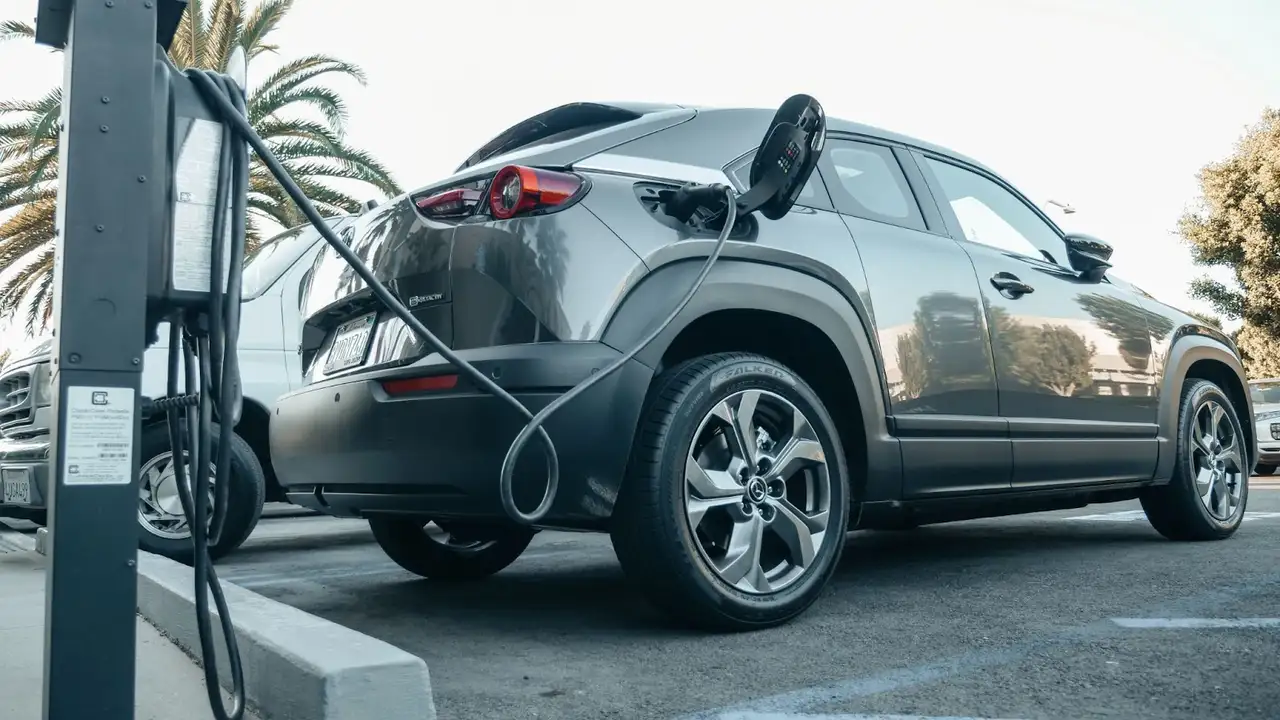
For most EV owners, home charging is the most convenient and cost-effective solution. Imagine waking up every morning to a 'full tank' without ever visiting a gas station! There are a couple of levels of home charging:
- Level 1 Charging (120V AC): This is the simplest form of charging. You just plug your EV into a standard household outlet (like the one your toaster uses) using the charging cable that usually comes with the car.
- Speed: Very slow. Adds about 2-5 miles of range per hour.
- Use Case: Best for plug-in hybrids or EVs with very low daily mileage. Can be used for overnight trickle charging if you don't drive much.
- Cost: No additional equipment cost beyond the car's included charger.
- Level 2 Charging (240V AC): This is the sweet spot for most home EV owners. It requires a 240-volt outlet, similar to what an electric dryer or oven uses. You'll need to install a dedicated Level 2 EV charger (also called an EVSE - Electric Vehicle Supply Equipment).
- Speed: Much faster. Adds about 20-30 miles of range per hour, meaning most EVs can fully charge overnight.
- Use Case: Ideal for daily charging, ensuring your EV is ready for longer trips.
- Cost: The charger itself can range from $400 to $1,000+. Installation by a qualified electrician can add another $500 to $2,000+, depending on your home's electrical panel and wiring needs.
- Recommended Products:
- ChargePoint Home Flex: A popular choice, offering flexible amperage settings (up to 50 amps) and smart features like scheduling and energy tracking via an app. Price: ~$700-800.
- Wallbox Pulsar Plus: Compact and powerful, also with smart features and a sleek design. Available in various power outputs. Price: ~$650-700.
- Grizzl-E Classic: A robust and durable charger, known for its reliability and simple operation. Price: ~$450-500.
Public Charging On-the-Go Power
When you're out and about, public charging networks come to the rescue. These are essential for longer journeys or if you don't have access to home charging.
- Public Level 2 Chargers: You'll find these in parking lots, workplaces, shopping centers, and hotels. They offer the same speed as home Level 2 chargers.
- Speed: 20-30 miles of range per hour.
- Use Case: Topping up while you're at work, shopping, or dining.
- Cost: Varies. Some are free, others charge per kWh or per minute. Networks include ChargePoint, Electrify America (some Level 2), EVgo, and local utility programs.
- DC Fast Chargers (DCFC) / Level 3 Chargers: These are the fastest public chargers and are crucial for long-distance travel. They bypass the car's onboard charger and feed DC power directly to the battery.
- Speed: Rapid! Can add 100-200+ miles of range in just 20-30 minutes, depending on the charger's power output and the car's charging capability.
- Use Case: Road trips, quick top-ups when time is critical.
- Cost: Generally the most expensive per kWh, but worth it for speed. Networks include Electrify America, EVgo, ChargePoint (some DCFC), and Tesla Superchargers (exclusive to Tesla, though opening up to other EVs in some regions).
- Comparison of Networks:
- Tesla Supercharger Network: Widely regarded as the most reliable and extensive fast-charging network. Seamless integration with Tesla vehicles. Price: Varies, typically competitive.
- Electrify America: One of the largest non-Tesla DCFC networks in the US, often found along major highways. Known for high-power chargers. Price: Per kWh or per minute, often with membership options for lower rates.
- EVgo: Another significant network, often found in urban areas. Offers various charging speeds, including DCFC. Price: Similar to Electrify America, with membership plans.
- ChargePoint: Primarily a Level 2 network, but also has some DCFC. Very widespread, often found at workplaces and retail locations. Price: Varies by location owner.
Key Considerations When Choosing an EV and Charger
Making the switch to an EV is a big decision, and there are a few key factors to weigh to ensure you pick the right car and charging setup for your needs.
Range Anxiety vs Real-World Driving
'Range anxiety' is a common concern for prospective EV owners – the fear of running out of charge. However, for most daily driving, modern EVs offer more than enough range. Consider your typical daily commute and how often you take long trips. If you drive 50 miles a day, an EV with a 200-mile range means you only need to charge every few days. For road trips, planning your stops around DC fast chargers becomes part of the adventure.
Charging Speed and Compatibility
Not all EVs charge at the same speed, and not all chargers are compatible with all EVs. Most non-Tesla EVs in North America use the J1772 connector for Level 1 and Level 2 AC charging, and either CCS (Combined Charging System) or CHAdeMO (less common now) for DC fast charging. Tesla uses its proprietary connector, but adapters are available, and Tesla is gradually opening its Supercharger network to other EVs.
Pay attention to your chosen EV's maximum charging rate (in kW) for both AC and DC charging. A car that can accept 250 kW from a DC fast charger will charge much quicker than one limited to 100 kW, even if both are plugged into the same high-power station.
Installation Requirements for Home Charging
Before buying a Level 2 home charger, it's wise to have an electrician assess your home's electrical panel. You'll need sufficient capacity to add a new 240-volt circuit. Older homes might require an electrical panel upgrade, which can add to the overall installation cost. Some utility companies offer rebates or incentives for EV charger installation, so definitely check those out!
Total Cost of Ownership Fuel Savings and Incentives
While the upfront cost of an EV can sometimes be higher than a comparable gasoline car, the total cost of ownership often tells a different story. Electricity is generally cheaper per 'mile' than gasoline, especially if you charge at home during off-peak hours. EVs also typically have lower maintenance costs due to fewer moving parts and no oil changes.
Don't forget to research federal, state, and local incentives! Many governments offer tax credits, rebates, or other perks for buying an EV or installing a home charger. These can significantly reduce the effective purchase price of your vehicle.
The Road Ahead Innovations in EV and Charging Technology
The EV landscape is constantly evolving, with exciting innovations on the horizon that promise to make electric driving even more appealing and accessible.
Battery Technology Advancements
Researchers are continuously working on improving battery technology, aiming for higher energy density (more range in a smaller, lighter battery), faster charging times, and lower costs. Solid-state batteries, for example, are a promising future technology that could revolutionize EV performance and safety.
Ultra-Fast Charging and Grid Integration
Charging speeds are only going to get faster. We're already seeing chargers capable of 350 kW, and even higher power outputs are in development. Beyond just charging, EVs are becoming more integrated with the power grid. Vehicle-to-Grid (V2G) technology, for instance, could allow EVs to send power back to the grid during peak demand, turning them into mobile energy storage units.
Wireless Charging and Battery Swapping
Imagine parking your car over a pad and it starts charging automatically, no cables needed! Wireless charging for EVs is in its early stages but holds immense promise for convenience. Battery swapping, where a depleted battery pack is quickly exchanged for a fully charged one, is another concept being explored, particularly for commercial fleets, to minimize downtime.
Sustainable Manufacturing and Recycling
As EV production scales up, there's a growing focus on making the manufacturing process more sustainable, using recycled materials, and ensuring ethical sourcing of raw materials. Furthermore, the recycling of EV batteries at the end of their life is a critical area of development, aiming to recover valuable materials and minimize environmental impact.
The journey to a fully electric future is well underway, and with continuous advancements in both vehicles and charging infrastructure, it's becoming an increasingly viable and attractive option for drivers worldwide. So, are you ready to plug in and drive into a greener tomorrow?
:max_bytes(150000):strip_icc()/277019-baked-pork-chops-with-cream-of-mushroom-soup-DDMFS-beauty-4x3-BG-7505-5762b731cf30447d9cbbbbbf387beafa.jpg)