Comparing Eco-Friendly Smart Lighting Solutions
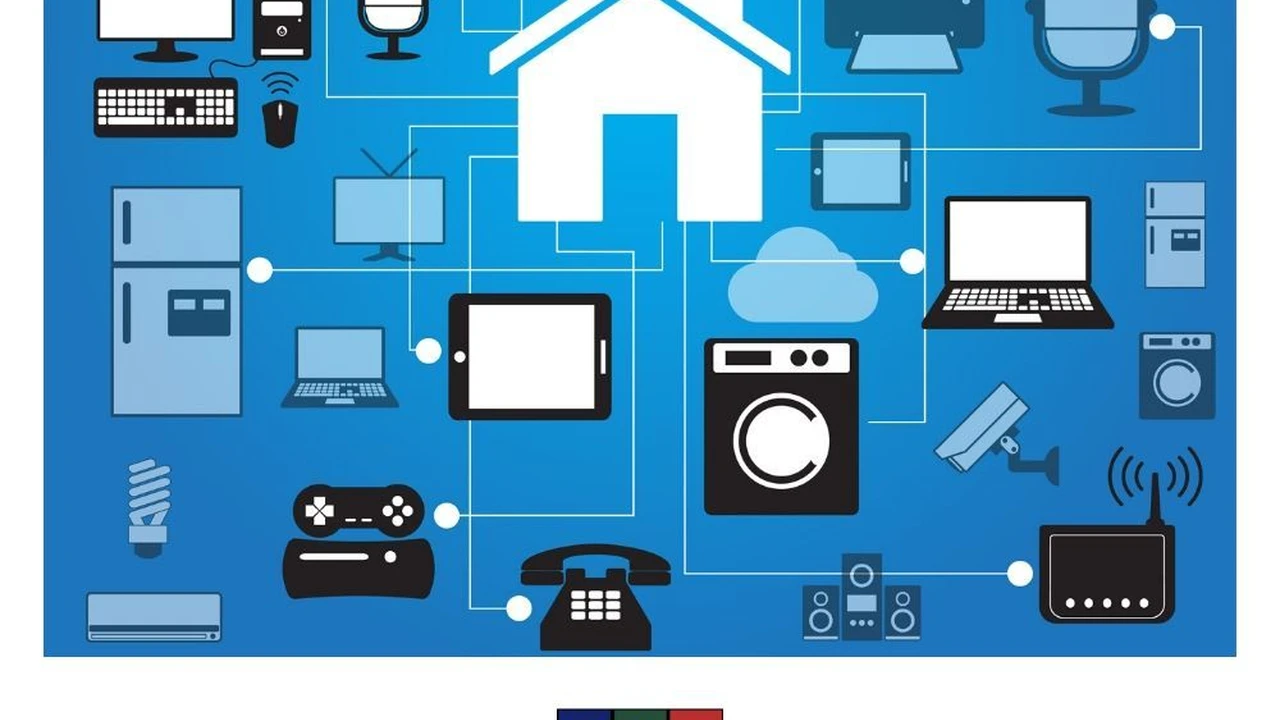
When we talk about smart lighting, we're not just talking about turning lights on and off with your phone. We're talking about a revolution in how we consume energy, how we interact with our living spaces, and how we contribute to a more sustainable future. Eco-friendly smart lighting is all about efficiency, longevity, and intelligent control. It's about making conscious choices that benefit both your wallet and the environment.
The Core of Eco-Friendly Lighting LED Technology Explained
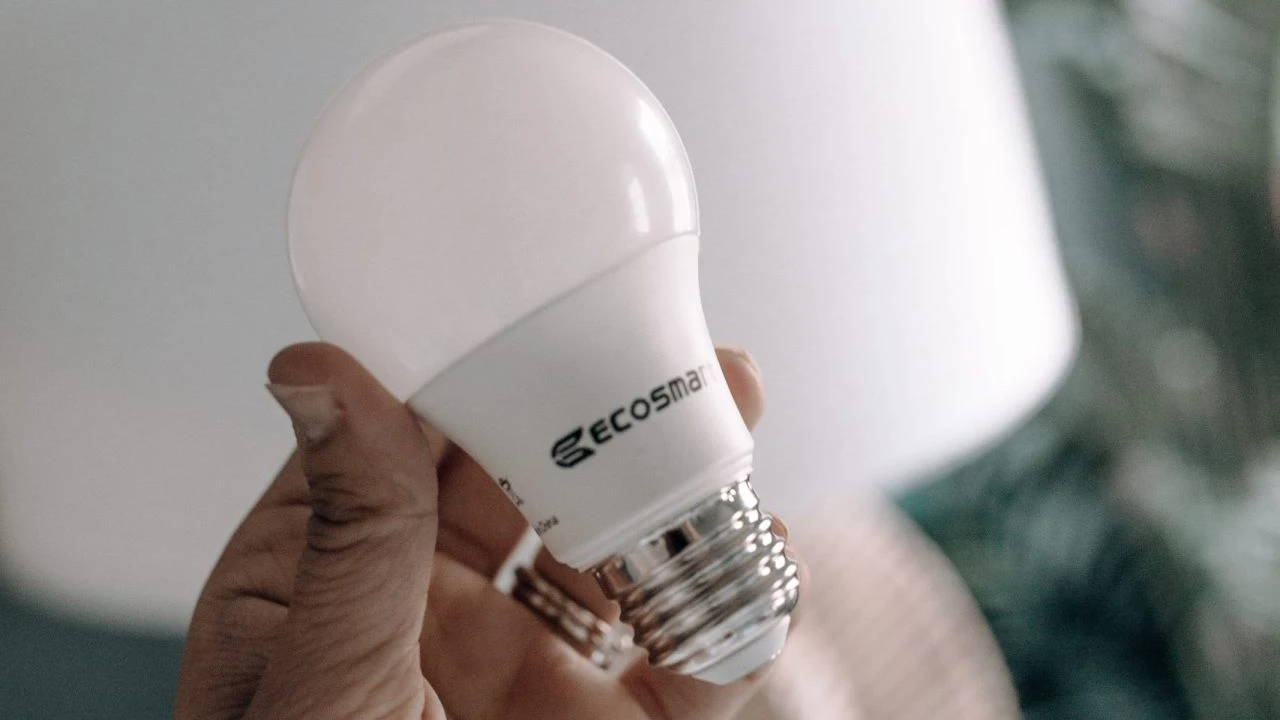
At the heart of almost all eco-friendly smart lighting solutions is LED (Light Emitting Diode) technology. LEDs are a game-changer compared to traditional incandescent or even CFL (Compact Fluorescent Lamp) bulbs. Why are they so eco-friendly?
- Energy Efficiency: LEDs use significantly less energy to produce the same amount of light. This means lower electricity bills for you and less demand on power grids, often leading to reduced reliance on fossil fuels.
- Longevity: LED bulbs last incredibly long – often 25,000 to 50,000 hours or more. This translates to fewer bulbs being manufactured, shipped, and disposed of, reducing waste and carbon footprint.
- Durability: Unlike fragile incandescent bulbs, LEDs are solid-state lighting, making them more resistant to breakage and vibrations.
- No Mercury: Unlike CFLs, LEDs do not contain mercury, a toxic substance that requires special disposal.
- Instant On: LEDs provide instant full brightness, unlike some CFLs that take time to warm up.
So, when you're looking for eco-friendly smart lighting, you're almost certainly looking for LED-based solutions. The 'smart' part comes in with the controls.
Smart Controls for Maximum Energy Savings and Convenience
The 'smart' aspect of eco-friendly lighting is where the real magic happens for energy saving and convenience. These controls allow you to optimize light usage, ensuring you're only using light when and where you need it.
Dimming and Scheduling Features for Energy Optimization
One of the simplest yet most effective smart controls is dimming. Being able to dim your lights means you're not always running them at full power, which saves energy. Smart lighting systems allow you to dim lights from your phone, a smart switch, or even with voice commands. Scheduling is another powerful tool. You can set your lights to turn on or off at specific times, or even to dim gradually as bedtime approaches. This prevents lights from being left on unnecessarily.
Motion and Occupancy Sensors for Automated Lighting
Imagine walking into a room and the lights automatically turn on, then turn off when you leave. That's the power of motion and occupancy sensors. These sensors detect presence and movement, ensuring lights are only on when a room is occupied. This is particularly useful in bathrooms, hallways, and utility rooms where lights might otherwise be left on by accident.
Daylight Harvesting and Adaptive Lighting for Natural Integration
Daylight harvesting systems use sensors to detect the amount of natural light entering a room. The smart lights then adjust their brightness accordingly, dimming when there's ample sunlight and brightening when it's darker. This not only saves energy but also creates a more comfortable and naturally lit environment. Adaptive lighting can also adjust color temperature throughout the day, mimicking natural light cycles to support your circadian rhythm.
Voice Control and Smart Home Integration for Seamless Operation
Integrating your smart lighting with voice assistants like Amazon Alexa, Google Assistant, or Apple HomeKit allows for hands-free control. You can simply say, 'Alexa, turn off the living room lights,' or 'Hey Google, dim the kitchen lights to 50%.' This level of convenience often encourages more mindful energy use, as it's so easy to adjust settings.
Top Eco-Friendly Smart Lighting Product Recommendations
Let's look at some of the leading eco-friendly smart lighting solutions available today, comparing their features, use cases, and approximate pricing.
Philips Hue The Ecosystem Leader
Overview: Philips Hue is arguably the most well-known and comprehensive smart lighting system. It offers a vast range of bulbs, light strips, lamps, and outdoor lighting, all based on energy-efficient LEDs. It uses a Zigbee bridge (Hue Bridge) for connectivity, which ensures reliability and allows for extensive automation.
Eco-Friendly Features: All Hue products are LED, offering excellent energy efficiency and long lifespans. The system's robust scheduling, dimming, and motion sensor capabilities (via Hue motion sensors) allow for significant energy savings. Their 'Friends of Hue' program also encourages integration with other smart home devices for broader energy management.
Use Cases: Ideal for whole-home smart lighting setups, creating complex lighting scenes, and integrating with other smart home platforms. Great for ambiance, security (away from home control), and everyday lighting needs.
Pros: Extensive product range, reliable connectivity, excellent app, wide third-party integration, high-quality light output (including millions of colors). Very user-friendly.
Cons: Can be expensive to start, especially if you need the Hue Bridge. Some bulbs are pricier than competitors.
Approximate Pricing:
- Philips Hue White A19 Bulb: $15 - $20
- Philips Hue White and Color Ambiance A19 Bulb: $45 - $55
- Philips Hue Bridge: $50 - $60
- Philips Hue Motion Sensor: $35 - $40
- Starter Kits (2-4 bulbs + Bridge): $70 - $200+
LIFX Wi-Fi Enabled Brilliance
Overview: LIFX bulbs connect directly to your Wi-Fi network, meaning no separate hub is required. They are known for their vibrant colors and high brightness, making them a favorite for those who prioritize vivid lighting effects.
Eco-Friendly Features: Like Hue, LIFX bulbs are LED-based, offering excellent energy efficiency and longevity. Their direct Wi-Fi connection can sometimes be more power-intensive than Zigbee, but the overall energy savings from LED technology and smart controls are still substantial. They offer scheduling, dimming, and scene creation.
Use Cases: Great for individual rooms or smaller setups where you don't want a hub. Excellent for creating dynamic lighting effects, gaming setups, or accent lighting due to their intense colors.
Pros: No hub required, very bright and vibrant colors, good app, integrates with major smart home platforms.
Cons: Can sometimes be less reliable than hub-based systems if your Wi-Fi network is congested. Can be more expensive per bulb than some competitors.
Approximate Pricing:
- LIFX A19 Color Bulb: $35 - $50
- LIFX Mini Color Bulb: $25 - $35
- LIFX Lightstrip: $70 - $90 (for 2m)
Govee Affordable and Feature-Rich
Overview: Govee has gained popularity for offering a wide range of smart lighting products, particularly light strips and unique lamps, at very competitive prices. They primarily use Bluetooth and Wi-Fi for connectivity.
Eco-Friendly Features: Govee's products are LED-based, ensuring energy efficiency. Their app offers extensive scheduling, dimming, and scene-setting options. While not as focused on 'eco' branding as some, the underlying LED technology and smart controls contribute significantly to energy savings.
Use Cases: Excellent for accent lighting, entertainment setups (TV backlighting), and adding vibrant color to specific areas without breaking the bank. Good for those starting their smart lighting journey on a budget.
Pros: Very affordable, wide variety of products (especially light strips and unique lamps), good app with many features, music sync capabilities.
Cons: Some products rely heavily on Bluetooth, which has limited range. Wi-Fi connectivity can sometimes be less robust than hub-based systems. Not as deeply integrated with all smart home ecosystems as Hue.
Approximate Pricing:
- Govee Smart LED Strip Lights (5m): $20 - $40
- Govee Smart Light Bulbs (2-pack): $15 - $25
- Govee Floor Lamps: $60 - $150
TP-Link Kasa Smart Budget-Friendly and Reliable
Overview: TP-Link Kasa Smart offers a range of smart bulbs, plugs, and switches that connect directly to your Wi-Fi network, similar to LIFX. They are known for their ease of setup and reliable performance at an accessible price point.
Eco-Friendly Features: Kasa bulbs are energy-efficient LEDs. Their app allows for comprehensive scheduling, dimming, and 'away mode' features that can simulate occupancy, adding a security benefit while also saving energy. Their smart plugs can turn any 'dumb' appliance into a smart, schedulable one, further enhancing energy management.
Use Cases: Great for individual bulb replacements, adding smart control to existing lamps via smart plugs, and building a basic smart home system without a hub. Ideal for those looking for straightforward smart lighting solutions.
Pros: No hub required, very affordable, easy to set up, reliable Wi-Fi connection, good app, integrates well with Alexa and Google Assistant.
Cons: Product range is not as extensive as Philips Hue. Color accuracy might not be as premium as LIFX.
Approximate Pricing:
- Kasa Smart Wi-Fi LED Bulb (White): $10 - $15
- Kasa Smart Wi-Fi LED Bulb (Color): $15 - $25
- Kasa Smart Plug Mini (1-pack): $10 - $15
Nanoleaf Artistic and Eco-Conscious
Overview: Nanoleaf stands out with its unique modular light panels and lines, allowing users to create artistic and customizable lighting installations. They are also strong advocates for sustainability.
Eco-Friendly Features: Nanoleaf products are highly energy-efficient LEDs. They are committed to sustainability in their manufacturing processes and packaging. Their products offer advanced scheduling, dimming, and even 'Circadian Lighting' features that automatically adjust color temperature to mimic natural daylight, promoting well-being and energy savings.
Use Cases: Perfect for creating unique wall art, gaming setups, home offices, or any space where you want a statement lighting piece. Excellent for those who value both aesthetics and eco-consciousness.
Pros: Unique and customizable designs, excellent app, strong commitment to sustainability, good integration with smart home ecosystems, high-quality light output.
Cons: Can be very expensive, especially for larger installations. More focused on decorative lighting than general illumination.
Approximate Pricing:
- Nanoleaf Shapes Hexagons Smarter Kit (7 panels): $200 - $230
- Nanoleaf Lines Smarter Kit (9 lines): $200 - $230
- Nanoleaf Essentials A19 Bulb: $20 - $25
Choosing Your Eco-Friendly Smart Lighting Solution
When deciding which eco-friendly smart lighting solution is right for you, consider these factors:
Budget Considerations for Smart Lighting Investment
Smart lighting can be an investment. Decide if you want to start small with a few bulbs or go all-in with a whole-home system. Brands like Govee and TP-Link Kasa offer great entry points, while Philips Hue and Nanoleaf represent a higher initial investment but often come with more features and reliability.
Connectivity and Smart Home Ecosystem Compatibility
Do you already have a smart home hub (like a Google Nest Hub or Amazon Echo)? Do you prefer Wi-Fi direct bulbs or a dedicated hub like the Hue Bridge? Ensure the lighting system you choose is compatible with your existing smart home ecosystem (Alexa, Google Home, Apple HomeKit, SmartThings, etc.) for seamless integration.
Desired Features and Customization Options
Are you just looking for basic on/off and dimming, or do you want millions of colors, dynamic scenes, music sync, or circadian lighting? The more advanced features you desire, the more you might lean towards systems like Philips Hue or Nanoleaf.
Ease of Installation and User Experience
Most smart bulbs are as easy to install as screwing in a regular bulb. However, setting up the app, connecting to your network, and configuring scenes can vary in complexity. Look for systems with intuitive apps and clear instructions.
Scalability and Future Expansion
Think about whether you plan to expand your smart lighting system in the future. Some ecosystems offer a wider range of products (e.g., outdoor lighting, light strips, lamps) than others, making future expansion easier and more cohesive.
Beyond the Bulb Smart Lighting for a Greener Home
Eco-friendly smart lighting is more than just the bulbs themselves. It's about creating a holistic approach to energy management in your home. By combining efficient LED technology with intelligent controls, you're not just illuminating your space; you're actively participating in a more sustainable lifestyle. So go ahead, light up your world, the smart and eco-friendly way!
:max_bytes(150000):strip_icc()/277019-baked-pork-chops-with-cream-of-mushroom-soup-DDMFS-beauty-4x3-BG-7505-5762b731cf30447d9cbbbbbf387beafa.jpg)