Smart Blinds and Shades A Comprehensive Review
Introduction to Automated Window Coverings Smart Blinds and Shades Explained
Welcome to the future of window treatments! Smart blinds and shades are revolutionizing how we interact with our homes, offering unparalleled convenience, energy efficiency, and enhanced privacy. Gone are the days of manually adjusting every blind in your house. With smart technology, you can control your window coverings with a simple voice command, a tap on your smartphone, or even have them adjust automatically based on the time of day, sunlight, or temperature. This comprehensive review will dive deep into the world of smart blinds and shades, exploring their benefits, key features, and helping you choose the perfect solution for your smart home.
Imagine waking up to natural sunlight as your shades gently rise, or having your blinds close automatically as the sun sets, protecting your privacy and keeping your home cool. This isn't science fiction; it's the reality offered by smart window coverings. They integrate seamlessly with your existing smart home ecosystem, whether you're using Amazon Alexa, Google Assistant, Apple HomeKit, or a dedicated smart home hub. Beyond convenience, smart blinds play a crucial role in energy management, reducing heating and cooling costs by optimizing natural light and insulation.
Why Upgrade to Smart Blinds and Shades Benefits for Your Home
The advantages of integrating smart blinds and shades into your home extend far beyond mere convenience. Let's explore the compelling reasons why more homeowners are making the switch:
Enhanced Energy Efficiency and Cost Savings with Smart Window Treatments
One of the most significant benefits of smart blinds and shades is their ability to dramatically improve your home's energy efficiency. By automating their movement, you can effectively manage solar heat gain and loss. During hot summer days, smart shades can automatically close to block intense sunlight, preventing your home from overheating and reducing the strain on your air conditioning system. In colder months, they can open during the day to let in natural warmth and then close at night to provide an extra layer of insulation, trapping heat inside. This intelligent management of natural light and temperature can lead to substantial savings on your energy bills over time.
Increased Privacy and Security with Automated Blinds
Smart blinds offer an elevated level of privacy and security. You can program them to close at specific times, even when you're not home, giving the impression that your house is occupied. This can deter potential intruders. Furthermore, with remote control capabilities, you can adjust your blinds from anywhere in the world, ensuring your privacy is maintained at all times. No more worrying about leaving your windows exposed when you're on vacation.
Unmatched Convenience and Smart Home Integration
The sheer convenience of smart blinds is a game-changer. Imagine controlling all your window coverings with a single voice command, a tap on your smartphone, or through pre-set schedules. This eliminates the need to manually adjust each blind, especially in hard-to-reach windows or large homes. Smart blinds seamlessly integrate with popular smart home platforms like Amazon Alexa, Google Assistant, and Apple HomeKit, allowing you to incorporate them into broader home automation routines. For example, you could have your 'Good Morning' routine open your blinds, turn on your coffee maker, and play your favorite news podcast.
Improved Comfort and Ambiance with Smart Shades
Smart blinds contribute significantly to the overall comfort and ambiance of your living space. You can precisely control the amount of natural light entering a room, creating the perfect atmosphere for any activity – whether it's bright and airy for reading, or dim and cozy for a movie night. Some smart shades even offer light-filtering options, allowing you to enjoy natural light without the harsh glare. This level of control over your environment enhances daily living and makes your home more enjoyable.
Key Features to Consider When Choosing Smart Blinds and Shades
Navigating the world of smart blinds can be overwhelming with the variety of features available. Here's a breakdown of the most important aspects to consider:
Control Options Voice Control App Control and Remote Control
How do you want to control your smart blinds? Most systems offer multiple options:
- Voice Control: Integration with Amazon Alexa, Google Assistant, or Apple HomeKit allows for hands-free operation. This is incredibly convenient when your hands are full or you're across the room.
- Smartphone App Control: Dedicated apps provide comprehensive control, allowing you to open/close, set schedules, and even monitor battery levels from anywhere.
- Remote Control: A physical remote offers a quick and easy way to adjust blinds without needing your phone or voice assistant.
- Wall Switches: Some systems offer wall-mounted keypads for traditional switch-like control.
Power Options Battery Wired and Solar Powered Smart Blinds
The power source is a critical consideration for installation and maintenance:
- Battery-Powered: The most common and easiest to install, as they don't require electrical wiring. Batteries typically last for several months to a year, depending on usage, but will need periodic recharging or replacement.
- Wired (Hardwired): Offer continuous power, eliminating the need for battery changes. However, they require professional installation and access to electrical wiring, making them more suitable for new constructions or major renovations.
- Solar-Powered: Some models come with small solar panels that can trickle-charge internal batteries, extending battery life and reducing the frequency of manual recharging. Ideal for windows with consistent sunlight exposure.
Connectivity Protocols Zigbee Z-Wave Wi-Fi and Bluetooth
Smart blinds communicate using various wireless protocols:
- Zigbee and Z-Wave: These are mesh networking protocols commonly used in smart home devices. They create a robust and reliable network, often requiring a dedicated hub. They are known for low power consumption and good range.
- Wi-Fi: Connects directly to your home Wi-Fi network, often without the need for a separate hub. While convenient, Wi-Fi devices can sometimes consume more power and may experience connectivity issues if your Wi-Fi signal is weak.
- Bluetooth: Typically used for direct, short-range control from your smartphone. Less common for whole-home smart blind systems due to range limitations.
Material and Style Options for Smart Window Coverings
Smart blinds and shades come in a vast array of materials, colors, and styles to match any interior design. Consider:
- Roller Shades: Simple, sleek, and modern.
- Roman Shades: Offer a softer, more elegant look.
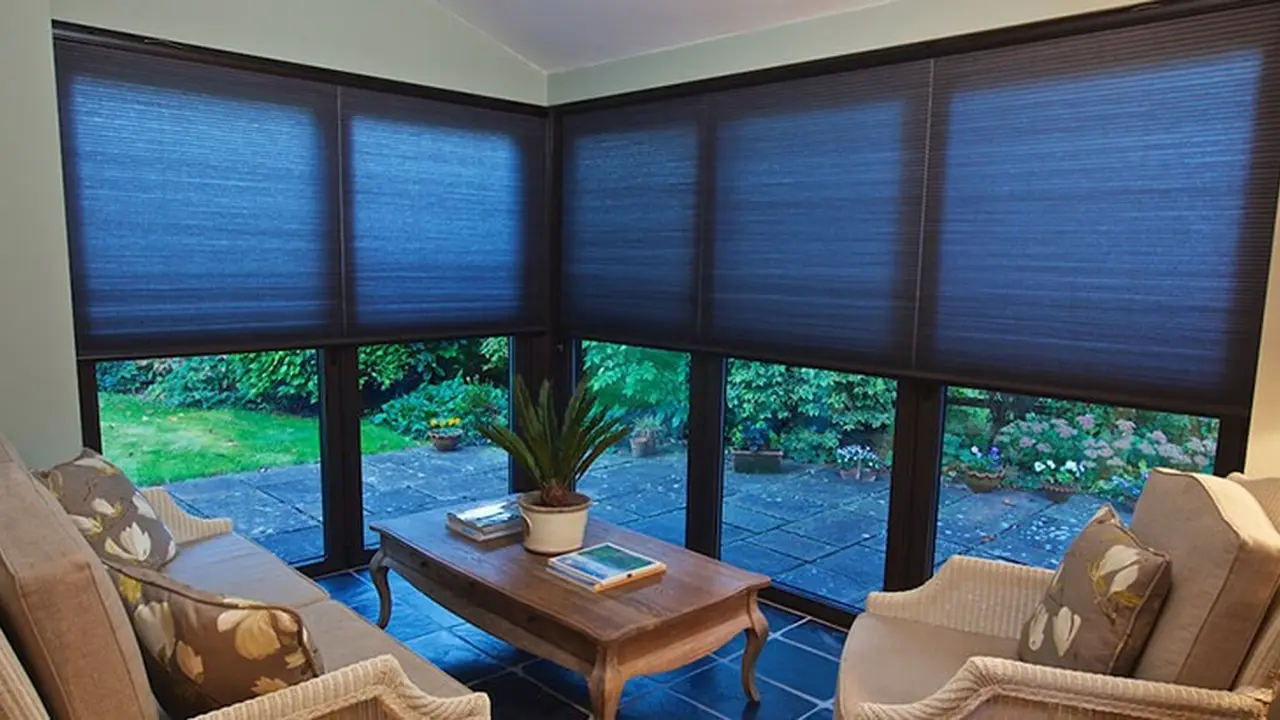
- Cellular (Honeycomb) Shades: Excellent for insulation and energy efficiency.
- Venetian Blinds: Classic horizontal slats for light control.
- Vertical Blinds: Ideal for large windows and sliding doors.
- Draperies: Some systems can motorize existing curtains.
Materials range from light-filtering fabrics to blackout options, and various textures and patterns are available to complement your decor.
Top Smart Blinds and Shades Brands and Product Recommendations
Let's explore some of the leading brands in the smart blinds and shades market, highlighting their strengths and recommending specific products.
Lutron Serena Smart Shades Premium Performance and Reliability
Lutron is a well-established name in home automation, known for its premium quality and reliability. Their Serena smart shades are a top choice for those seeking a high-end, robust system.
- Key Features: Ultra-quiet operation, precise control, long battery life (up to 3-5 years on a single set of D-cell batteries), and seamless integration with Lutron's Caséta Smart Bridge, which supports Apple HomeKit, Amazon Alexa, Google Assistant, and more. They offer a wide range of fabric and style options, including roller, honeycomb, and Roman shades.
- Use Case: Ideal for homeowners who prioritize quiet operation, long-term reliability, and deep integration with a comprehensive smart home system. Perfect for bedrooms, media rooms, and living areas where noise is a concern.
- Comparison: While more expensive than some alternatives, Lutron's build quality and quiet motors are unmatched. Their proprietary Clear Connect RF technology ensures reliable communication.
- Estimated Price Range: $300 - $1000+ per shade, depending on size, material, and motor type. Installation can add to the cost.
IKEA FYRTUR and KADRILJ Smart Blinds Budget-Friendly and Accessible
IKEA has made smart home technology more accessible with its affordable smart blinds, FYRTUR (blackout) and KADRILJ (light-filtering).
- Key Features: Battery-powered, easy to install, and integrate with IKEA's TRÅDFRI gateway for control via the IKEA Home smart app, Amazon Alexa, Google Assistant, and Apple HomeKit. They come in standard sizes, making them a great plug-and-play option.
- Use Case: Excellent for budget-conscious consumers or those new to smart home technology. Perfect for bedrooms, living rooms, and offices where standard window sizes apply.
- Comparison: While not as quiet or customizable as premium brands, IKEA offers incredible value. Their limited size options might be a drawback for custom windows.
- Estimated Price Range: $120 - $180 per blind.
Soma Smart Shades 2 Retrofit Your Existing Blinds
Soma Smart Shades 2 offers a unique solution for those who want to automate their existing roller, vertical, or Venetian blinds without replacing them entirely.
- Key Features: A small motor attaches to your existing blind chain or cord, pulling it up and down. It's solar-powered, so no need for battery changes or wiring. Integrates with Apple HomeKit (via HomeBridge), Amazon Alexa, and Google Assistant.
- Use Case: Ideal for renters or homeowners who love their current blinds but want smart functionality. A cost-effective way to dip your toes into smart window coverings.
- Comparison: Offers less precise control than full smart blind systems and may not be as aesthetically integrated, but its retrofit capability is a major advantage.
- Estimated Price Range: $150 - $200 per unit.
Hunter Douglas PowerView Motorization High-End Customization
Hunter Douglas is synonymous with high-quality window treatments, and their PowerView Motorization system brings smart capabilities to their extensive range of custom blinds and shades.
- Key Features: Offers unparalleled customization in terms of fabric, style, and size. Features precise control, quiet operation, and integration with the PowerView Hub for control via app, remote, and voice assistants (Alexa, Google Assistant, HomeKit). Their 'Scene' creation allows for complex automation.
- Use Case: Best for homeowners seeking bespoke window treatments that perfectly match their interior design, combined with advanced smart home integration. Suitable for luxury homes and unique window shapes.
- Comparison: At the very high end of the market, Hunter Douglas provides superior aesthetics and customization options compared to off-the-shelf solutions.
- Estimated Price Range: $500 - $2000+ per shade, highly dependent on customization.
Aqara Roller Shade Motor Smart Home Ecosystem Integration
Aqara, known for its comprehensive smart home ecosystem, offers a roller shade motor that integrates seamlessly with their Zigbee-based hub.
- Key Features: This motor can be used with existing or new roller shades. It's part of the broader Aqara ecosystem, allowing for complex automations with other Aqara sensors and devices. Supports Apple HomeKit, Amazon Alexa, and Google Assistant via the Aqara Hub. Available in wired and battery versions.
- Use Case: Great for users already invested in the Aqara ecosystem or those looking for a robust, affordable Zigbee-based solution that offers good integration with HomeKit.
- Comparison: Offers a good balance of features and price, especially if you already have an Aqara hub. Installation might require some DIY skills or professional help.
- Estimated Price Range: $150 - $250 for the motor, plus the cost of the shade itself.
Installation and Setup Tips for Smart Blinds and Shades
While some smart blinds are designed for easy DIY installation, others may require professional help. Here are some general tips:
DIY vs Professional Installation Considerations
DIY: Brands like IKEA and some battery-powered roller shades are designed for straightforward DIY installation. You'll need basic tools like a drill, measuring tape, and a level. Always follow the manufacturer's instructions carefully.
Professional Installation: For hardwired systems, custom-sized blinds, or if you're uncomfortable with DIY, professional installation is recommended. This ensures proper wiring, precise fit, and optimal performance. Many high-end brands offer installation services.
Connecting Smart Blinds to Your Smart Home Hub and Voice Assistants
Once physically installed, the next step is connecting your smart blinds to your smart home system:
- Power On: Ensure your blinds are powered on (batteries inserted or wired connection established).
- Hub Pairing: Open your smart home app (e.g., Lutron Caséta, IKEA Home smart, Aqara Home, or your main smart home hub app like SmartThings). Follow the app's instructions to put the blinds into pairing mode and discover them. This usually involves pressing a button on the blind or remote.
- Calibration: Many smart blinds require calibration to set their upper and lower limits. The app will guide you through this process.
- Voice Assistant Integration: If you want voice control, link your smart blind app/hub to your Amazon Alexa, Google Assistant, or Apple HomeKit account. You'll then be able to use voice commands like 'Alexa, open the living room blinds' or 'Hey Google, close the bedroom shades.'
Troubleshooting Common Smart Blind Issues
Like any smart device, you might encounter occasional issues:
- Blinds Not Responding: Check battery levels, ensure the blind is powered on, and verify its connection to the hub/Wi-Fi. Sometimes a simple reset (power cycle) can resolve the issue.
- Connectivity Problems: If using Wi-Fi, ensure your router is within range and the signal is strong. For Zigbee/Z-Wave, check your hub's status and consider adding a repeater if range is an issue.
- Calibration Errors: If blinds aren't opening/closing fully, re-run the calibration process through the app.
- Voice Command Issues: Ensure your voice assistant is linked correctly and that you're using the exact commands recognized by the system.
Maximizing Your Smart Blinds and Shades Experience Automation and Routines
The true power of smart blinds lies in their automation capabilities. Here's how to get the most out of them:
Setting Schedules and Timers for Automated Window Coverings
This is the most basic yet effective automation. Use your smart home app to set schedules:
- Morning Wake-Up: Program blinds to open gradually at sunrise or a specific time to gently wake you up.
- Evening Privacy: Set blinds to close automatically at sunset or a fixed time for privacy and security.
- Away Mode: Create a schedule that randomly opens and closes blinds throughout the day when you're away, making it appear as if someone is home.
Integrating Smart Blinds with Other Smart Home Devices
This is where smart home magic happens. Link your blinds with other devices for intelligent routines:
- Temperature Control: Connect with a smart thermostat. If the indoor temperature rises above a certain threshold on a sunny day, have the blinds automatically close to reduce heat gain.
- Lighting Scenes: When you turn on your 'Movie Night' scene, have the blinds close, lights dim, and TV turn on.
- Security Integration: If a motion sensor detects activity outside, have the blinds in that area close for privacy.
- Voice Assistant Routines: Create custom routines like 'Good Morning' (open blinds, turn on lights, play music) or 'Good Night' (close blinds, turn off lights, lock doors).
Using Sensors for Intelligent Blind Control Light and Temperature Sensors
Advanced systems can leverage sensors for truly intelligent control:
- Light Sensors: Some smart blinds or integrated hubs have ambient light sensors. They can automatically adjust the blinds to maintain a consistent light level in the room, opening when it's dim and closing when it's too bright.
- Temperature Sensors: As mentioned, linking with a smart thermostat or a dedicated temperature sensor allows blinds to react to indoor climate changes, optimizing for energy efficiency.
- Motion/Occupancy Sensors: Blinds could open when you enter a room and close when you leave, or adjust based on whether a room is occupied.
Future Trends in Smart Blinds and Shades Innovations on the Horizon
The smart home market is constantly evolving, and smart blinds are no exception. Here's a glimpse into what the future holds:
Enhanced AI and Machine Learning for Predictive Automation
Expect smart blinds to become even smarter. AI and machine learning will enable them to learn your habits and preferences over time, predicting when to open or close based on your daily routines, weather forecasts, and even seasonal changes, without you having to set explicit schedules.
Seamless Integration with Building Management Systems
As smart home technology becomes more sophisticated, we'll see even deeper integration with broader building management systems, especially in larger homes or commercial spaces. This will allow for centralized control of all environmental factors, including lighting, HVAC, and window coverings, for ultimate efficiency and comfort.
Sustainable Materials and Energy Harvesting Technologies
The focus on sustainability will continue to grow. We can anticipate more smart blinds made from recycled or eco-friendly materials. Furthermore, advancements in energy harvesting technologies (beyond just solar) might allow blinds to generate their own power from ambient light or even kinetic energy from their movement, further reducing their environmental footprint and maintenance needs.
Augmented Reality for Design and Customization
Imagine using augmented reality apps to virtually 'try on' different smart blind styles and fabrics on your windows before making a purchase. This will revolutionize the design and customization process, making it easier for consumers to visualize and choose the perfect smart window coverings for their homes.
Conclusion Your Guide to Smart Blinds and Shades
Smart blinds and shades are more than just a luxury; they are a practical and valuable addition to any modern smart home. They offer a compelling blend of convenience, energy efficiency, enhanced privacy, and aesthetic appeal. Whether you're looking to save on energy bills, simplify your daily routines, or simply add a touch of modern sophistication to your living space, there's a smart blind solution out there for you.
From budget-friendly options like IKEA to premium, custom solutions from Lutron and Hunter Douglas, the market offers a wide range of choices to fit every need and budget. By considering factors like control options, power sources, connectivity, and material, you can make an informed decision that will transform your home's windows into intelligent, automated features. Embrace the future of window treatments and enjoy the comfort, efficiency, and peace of mind that smart blinds and shades bring.
:max_bytes(150000):strip_icc()/277019-baked-pork-chops-with-cream-of-mushroom-soup-DDMFS-beauty-4x3-BG-7505-5762b731cf30447d9cbbbbbf387beafa.jpg)