Track and reduce your energy consumption with smart home energy monitoring devices. Understand your usage and save on bills.
Smart Home Energy Monitoring Devices Reviewed
Track and reduce your energy consumption with smart home energy monitoring devices. Understand your usage and save on bills.
Why Smart Energy Monitoring Matters for Your Home and Wallet
Hey there, ever wonder how much electricity your gadgets are really sucking up? Or why your power bill seems to climb higher every month, even when you're trying to be careful? Well, you're not alone. In today's world, where everything from your fridge to your doorbell is getting 'smarter,' it's easy to lose track of just how much energy your home is consuming. That's where smart home energy monitoring devices come in. These cool pieces of tech aren't just fancy toys; they're powerful tools that can give you a crystal-clear picture of your energy usage, helping you identify energy hogs, make smarter decisions, and ultimately, save a good chunk of change on your utility bills. Plus, being more energy-efficient isn't just good for your wallet; it's fantastic for the planet too. Less energy consumption means a smaller carbon footprint, and who doesn't want to contribute to a greener future?
Understanding Smart Energy Monitors How They Work
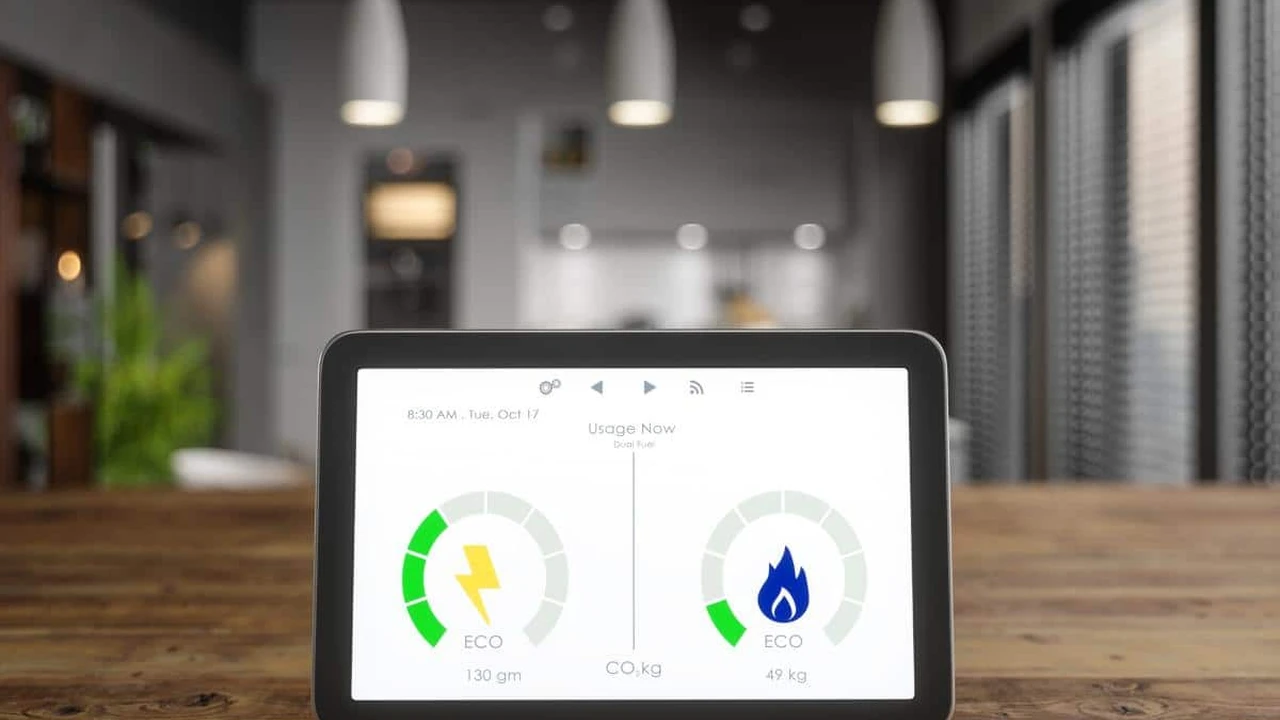
So, how do these magical devices actually work? It's pretty straightforward, actually. Most smart energy monitors fall into a few main categories, but their core function is the same: they measure the electricity flowing into your home or to specific appliances. Some devices connect directly to your home's main electrical panel, using sensors (often called current transformers or CT clamps) to detect the flow of electricity. These give you a whole-home view of your energy consumption in real-time. Others are plug-in devices that you connect to individual appliances, giving you a more granular look at how much power that specific device is using. The data collected by these sensors is then sent wirelessly (via Wi-Fi, Zigbee, or Z-Wave) to a hub or directly to an app on your smartphone or tablet. This app is where the magic happens. It visualizes your energy usage, often in easy-to-understand graphs and charts, showing you daily, weekly, or monthly consumption, peak usage times, and even estimated costs. Some advanced systems can even break down usage by appliance type if you've got the right setup. It's like having a personal energy auditor living in your phone!
Whole Home Energy Monitoring Solutions Top Picks and Features
If you're serious about getting a comprehensive overview of your home's energy habits, a whole-home energy monitor is the way to go. These devices typically install in your electrical panel and give you insights into every circuit. Here are a few top contenders:
Sense Energy Monitor Real Time Insights
The Sense Energy Monitor is often considered the gold standard for whole-home energy monitoring. It's a bit of an investment, but its real-time data and appliance detection capabilities are impressive. The Sense system uses high-resolution current sensors to monitor your home's electrical signals. What makes Sense stand out is its ability to 'learn' and identify individual appliances by their unique electrical signatures. So, it can tell you when your refrigerator cycles on, how much power your washing machine uses during a cycle, or even when your hair dryer is running. This machine learning process takes some time, but once it's dialed in, the insights are incredibly valuable. The app is super user-friendly, offering real-time power usage, historical data, and notifications for unusual activity. It also integrates with smart home platforms like Alexa and Google Assistant. Installation usually requires a professional electrician as it involves working inside your electrical panel.
* **Typical Use Case:** Homeowners who want deep, granular insights into every appliance's energy consumption and are willing to invest in a smart, learning system.
* **Key Features:** Real-time energy monitoring, individual appliance detection (machine learning), detailed historical data, mobile app, smart home integrations.
* **Estimated Price:** Around $299 - $349 (device only, installation costs extra).
Emporia Vue 2 Energy Monitor Affordable and Feature Rich
For those looking for a powerful whole-home monitoring solution without breaking the bank, the Emporia Vue 2 is an excellent choice. This system also installs in your electrical panel and comes with 16 sensors: two 200A sensors for your main service lines and 16 50A sensors for individual circuits. This means you can monitor up to 16 specific circuits in addition to your whole home's consumption. The Emporia app provides real-time data, historical usage, and estimated costs. It's great for identifying which circuits or appliances are consuming the most energy. While it doesn't have the same 'learning' capabilities as Sense for automatic appliance detection, the ability to monitor specific circuits manually is incredibly useful. It's also compatible with solar installations, allowing you to monitor both consumption and production.
* **Typical Use Case:** Homeowners who want detailed circuit-level monitoring and whole-home insights at a more accessible price point, especially those with solar panels.
* **Key Features:** Whole-home and 16 individual circuit monitoring, real-time data, historical usage, solar monitoring, mobile app, easy installation (for qualified individuals).
* **Estimated Price:** Around $129 - $199 (depending on the number of sensors).
Shelly EM Smart Energy Meter Compact and Versatile
The Shelly EM is a much smaller, more compact energy monitor that can be installed in your electrical panel. It's designed for single-phase or three-phase systems and can monitor up to two independent channels (e.g., two main lines or one main line and a specific high-draw appliance like an EV charger). What's great about Shelly devices is their open-source friendly nature and local control capabilities. You can access the data directly from the device's web interface or integrate it with various smart home platforms like Home Assistant, SmartThings, and more. It's a favorite among DIY smart home enthusiasts due to its flexibility and relatively low cost. While it doesn't offer the same level of automated appliance detection as Sense, its accuracy and integration options make it a strong contender for those who like to tinker.
* **Typical Use Case:** DIY smart home enthusiasts, those needing to monitor specific high-draw circuits, or users who prefer local control and open-source integration.
* **Key Features:** Two independent measuring channels, real-time power, voltage, and current monitoring, historical data, local control, wide smart home integration.
* **Estimated Price:** Around $60 - $80 (device only, sensors included).
Plug-In Energy Monitors and Smart Plugs for Appliance Level Tracking
Sometimes, you don't need to monitor your entire home; you just want to know how much power that old mini-fridge in the garage is really using, or if your gaming PC is an energy vampire. That's where plug-in energy monitors and smart plugs with energy monitoring come in handy. They're super easy to set up – just plug them into an outlet, and then plug your appliance into the device.
TP-Link Kasa Smart Plug with Energy Monitoring KP115
The TP-Link Kasa KP115 is a fantastic example of a smart plug that also offers energy monitoring. It's incredibly easy to set up using the Kasa app, and once connected, you can see real-time power consumption for whatever is plugged into it. The app also provides historical data, showing daily and monthly usage, and even estimated costs. Beyond energy monitoring, it functions as a regular smart plug, allowing you to remotely turn devices on/off, set schedules, and create timers. It integrates seamlessly with Alexa and Google Assistant, making it a versatile addition to any smart home.
* **Typical Use Case:** Monitoring individual appliances, setting schedules for energy savings, and integrating with voice assistants for convenience.
* **Key Features:** Real-time and historical energy monitoring, remote control, scheduling, timers, voice assistant integration (Alexa, Google Assistant), no hub required.
* **Estimated Price:** Around $15 - $25 per plug.
Eve Energy Smart Plug with Power Meter Apple HomeKit Focus
If you're an Apple HomeKit user, the Eve Energy smart plug is a top-tier choice. It connects directly via Bluetooth Low Energy (BLE) or Thread (for newer models and HomePod mini/Apple TV 4K hubs), meaning no separate bridge is required if you have a HomeKit hub. The Eve app (or Apple Home app) provides detailed energy consumption data, including real-time power, daily, weekly, and monthly usage, and projected annual costs. Like other smart plugs, it allows for remote control and scheduling. Its focus on privacy (data is stored locally) and seamless HomeKit integration makes it a favorite for Apple enthusiasts.
* **Typical Use Case:** Apple HomeKit users who want reliable energy monitoring for individual devices with strong privacy features.
* **Key Features:** Real-time and historical energy monitoring, remote control, scheduling, HomeKit native, Thread support, no hub required (with HomeKit hub).
* **Estimated Price:** Around $35 - $50 per plug.
P3 International Kill A Watt Electricity Usage Monitor Simple and Effective
For a no-frills, highly accurate, and super simple solution, the Kill A Watt meter is a classic. This isn't a 'smart' device in the sense that it connects to an app or Wi-Fi. Instead, it's a standalone plug-in meter with a small LCD screen that displays real-time voltage, amperage, wattage, and cumulative kilowatt-hours (kWh) consumed. You just plug it into an outlet, then plug your appliance into the Kill A Watt, and read the display. It's perfect for quickly diagnosing energy consumption of specific devices without needing any apps or complex setups. It's a must-have tool for anyone serious about understanding appliance-level energy use.
* **Typical Use Case:** Quickly and accurately measuring the energy consumption of individual appliances without needing smart home integration or apps.
* **Key Features:** Real-time voltage, amperage, wattage, and kWh display, easy to use, highly accurate, no setup required.
* **Estimated Price:** Around $20 - $30.
Key Considerations When Choosing Your Energy Monitor
Alright, so you've got a few options now. But before you pull the trigger, here are some important things to think about to make sure you pick the right energy monitoring device for your needs:
Installation Complexity and Safety
This is a big one. Whole-home energy monitors like Sense and Emporia Vue require installation inside your electrical panel. If you're not comfortable working with high voltage electricity, you absolutely need to hire a licensed electrician for installation. Seriously, safety first! Plug-in monitors, on the other hand, are super easy to install – just plug and play. Consider your comfort level and budget for professional installation.
Data Granularity and Insights
How much detail do you want? Do you need to know the exact energy consumption of every single appliance (like with Sense's learning capabilities or Emporia's circuit-level sensors), or are you just looking for an overall picture of your home's usage? Plug-in monitors are great for specific devices, but they won't give you a full home overview unless you buy a ton of them.
Smart Home Integration and Ecosystem
Do you already have a smart home setup? If you're heavily invested in Apple HomeKit, an Eve Energy plug might be a better fit than a TP-Link Kasa one. If you use Alexa or Google Assistant extensively, make sure the device you choose integrates well with those platforms. Some devices also offer IFTTT support for more advanced automations.
Accuracy and Reliability
While most reputable brands offer good accuracy, it's worth checking reviews for consistency. You want data you can trust to make informed decisions about your energy usage. Reliability of the connection (Wi-Fi, Zigbee, Thread) is also important so you don't have gaps in your data.
Cost and Return on Investment
Whole-home monitors are a bigger upfront cost, but they can lead to significant long-term savings by helping you identify major energy drains. Plug-in monitors are cheaper per unit but might not give you the full picture. Think about how much you're willing to spend and how quickly you expect to see a return on that investment through reduced bills.
Solar Panel Compatibility
If you have solar panels, or plan to get them, make sure the energy monitor you choose can track both your energy consumption from the grid and your energy production from the solar panels. Devices like the Emporia Vue 2 are specifically designed for this.
Maximizing Your Savings Tips and Tricks
Having a smart energy monitor is just the first step. To truly maximize your savings and reduce your energy footprint, you need to act on the data. Here are some tips:
Identify Energy Hogs
Once you start monitoring, you'll quickly see which appliances or times of day are consuming the most energy. Is it your old refrigerator? Your always-on gaming PC? That space heater you use in the winter? Pinpointing these 'energy hogs' is crucial.
Adjust Habits and Schedules
Armed with data, you can make informed changes. Maybe you realize your clothes dryer uses a ton of power during peak hours. You can then adjust your laundry schedule to run it during off-peak times when electricity is cheaper. Or perhaps you see that leaving your TV on standby all night adds up; a smart plug can help you completely cut power to it when not in use.
Unplug Phantom Loads
Many electronics continue to draw power even when turned off (these are called 'phantom loads' or 'vampire power'). Your energy monitor can help you identify these culprits. Use smart plugs to completely cut power to devices that aren't in active use, or simply get into the habit of unplugging chargers and electronics when you're done with them.
Optimize Smart Home Automations
If your energy monitor integrates with your smart home system, you can create powerful automations. For example, you could set up a routine that turns off lights and adjusts the thermostat when no one is home, or automatically powers down entertainment systems after a certain time at night.
Invest in Energy-Efficient Appliances
If your monitor reveals that an old appliance is a major energy drain, it might be time to consider upgrading to a more energy-efficient model. The upfront cost can often be offset by significant long-term savings on your electricity bill.
Monitor Solar Production (If Applicable)
If you have solar panels, monitoring both your consumption and production allows you to optimize your self-consumption. You can schedule high-draw activities like charging an EV or running the dishwasher during times when your solar panels are generating the most power.
The Future of Smart Energy Monitoring
The world of smart home energy monitoring is constantly evolving. We're seeing more integration with AI and machine learning, making these devices even smarter at identifying appliances and predicting usage patterns. The rise of Matter and Thread protocols will also make integration across different smart home ecosystems much smoother. Expect more sophisticated insights, personalized recommendations for energy savings, and even direct integration with utility companies for demand response programs. Imagine your smart home automatically adjusting its energy usage based on real-time electricity prices or grid demand – that's the future we're heading towards. So, getting started with energy monitoring now isn't just about saving money today; it's about preparing your home for a more efficient and sustainable future.
:max_bytes(150000):strip_icc()/277019-baked-pork-chops-with-cream-of-mushroom-soup-DDMFS-beauty-4x3-BG-7505-5762b731cf30447d9cbbbbbf387beafa.jpg)