Explore the upcoming trends in smart home technology. From AI integration to sustainable solutions, see what's next.
Explore the upcoming trends in smart home technology. From AI integration to sustainable solutions, see what's next.
The Future of Smart Home Technology Trends 2024
Smart Home Evolution From Automation to Intelligence
The smart home landscape is constantly evolving, moving beyond simple automation to truly intelligent and intuitive living spaces. In 2024, we're seeing a significant shift towards systems that not only respond to commands but also anticipate needs, learn from user behavior, and seamlessly integrate into daily life. This evolution is driven by advancements in artificial intelligence, machine learning, and interconnected device ecosystems.
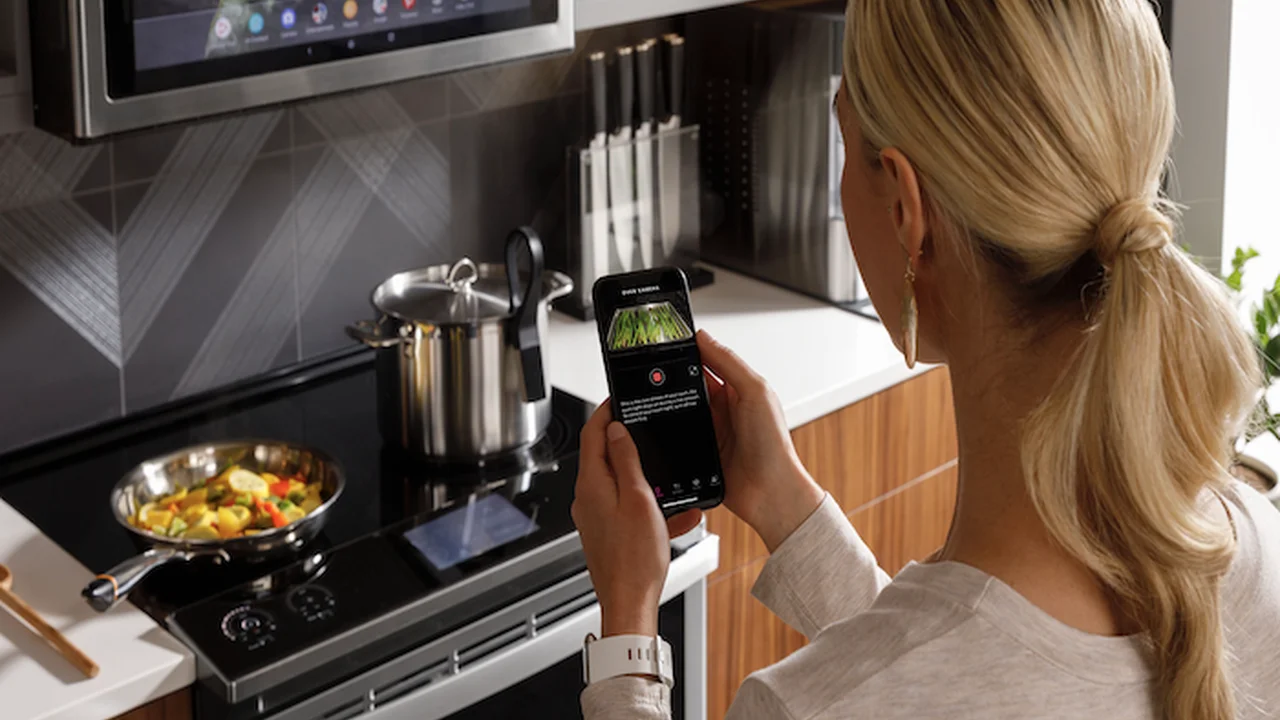
Consider the early days of smart homes, where a smart light might turn on at a set time or a thermostat could be adjusted remotely. While convenient, these were largely reactive systems. Today, and increasingly in the future, smart homes are becoming proactive. Imagine your home adjusting the lighting based on your mood, playing music that matches your activity, or even pre-heating your oven when it detects you're on your way home from work. This level of intelligence is what defines the next generation of smart home technology.
AI and Machine Learning Driving Smart Home Innovation
Artificial Intelligence (AI) and Machine Learning (ML) are no longer buzzwords; they are the foundational technologies powering the smart home of tomorrow. These technologies enable devices to learn from patterns, make predictions, and automate complex tasks without explicit programming. This means your smart home can become more personalized and efficient over time.
For instance, AI-powered security cameras can differentiate between pets, people, and vehicles, reducing false alarms and providing more relevant notifications. Smart thermostats with ML capabilities can learn your preferred temperature settings and optimize energy usage based on occupancy patterns and external weather conditions. Voice assistants are becoming more sophisticated, understanding natural language nuances and performing multi-step commands with greater accuracy.
One notable product showcasing this trend is the **Google Nest Hub Max** (approx. $229). Its built-in AI allows for personalized routines, facial recognition for tailored greetings, and even gesture control. Another example is the **Ecobee Smart Thermostat Premium** (approx. $249), which uses machine learning to optimize heating and cooling schedules, saving energy and adapting to your lifestyle.
Enhanced Security and Privacy in Smart Homes
As smart homes become more interconnected, the importance of robust security and privacy measures grows exponentially. Consumers are increasingly concerned about data breaches and unauthorized access to their personal information and home environments. In 2024, manufacturers are prioritizing advanced encryption, secure authentication protocols, and transparent data handling practices.
Expect to see more devices with on-device processing, reducing the need to send sensitive data to the cloud. Biometric authentication, such as fingerprint or facial recognition, will become more common for accessing smart home systems. Furthermore, companies are offering clearer privacy policies and giving users more control over their data.
Products like the **Arlo Ultra 2 Spotlight Camera** (approx. $299 per camera) offer 4K HDR video, advanced motion detection, and local storage options for enhanced privacy. Smart locks such as the **August Wi-Fi Smart Lock** (approx. $249) provide secure keyless entry with robust encryption and activity logs, giving homeowners peace of mind.
Sustainable Smart Home Solutions and Energy Efficiency
The push for sustainability is influencing every industry, and smart home technology is no exception. Consumers are looking for ways to reduce their environmental footprint and save on energy costs. This trend is leading to the development of more energy-efficient devices, renewable energy integration, and smart systems that optimize resource consumption.
Smart homes will play a crucial role in managing energy grids, allowing for dynamic pricing and demand response programs. Devices will be designed with longer lifespans, modular components for easier repairs, and made from recycled or sustainably sourced materials. Water conservation will also be a key focus, with smart irrigation systems and leak detection becoming more prevalent.
Consider the **Rachio 3 Smart Sprinkler Controller** (approx. $229), which uses local weather data to optimize watering schedules, significantly reducing water waste. Smart plugs like the **TP-Link Kasa Smart Wi-Fi Plug Mini** (approx. $15) allow users to monitor and control energy usage of individual appliances, helping identify energy vampires and save electricity.
Seamless Interoperability and Matter Standard Adoption
One of the biggest frustrations for early smart home adopters was the lack of interoperability between devices from different manufacturers. The introduction and widespread adoption of the Matter standard are set to revolutionize this. Matter aims to create a unified, open-source connectivity standard that allows smart home devices to communicate seamlessly, regardless of brand or platform.
This means a device from Company A can easily work with a hub from Company B and be controlled by an app from Company C. This will simplify setup, reduce compatibility issues, and provide consumers with greater choice and flexibility when building their smart homes. The Matter standard is supported by major players like Apple, Google, Amazon, and Samsung, ensuring broad adoption.
Many new devices launching in 2024 are Matter-certified, and existing devices are receiving software updates to support the standard. This will make it easier to build a truly integrated smart home ecosystem without being locked into a single brand. For example, the **Philips Hue Bridge** (approx. $60) is receiving Matter support, allowing its extensive range of smart lights to integrate more broadly with other smart home platforms.
Health and Wellness Integration in Smart Homes
The smart home is increasingly becoming a hub for health and wellness, moving beyond just convenience to actively support occupants' physical and mental well-being. This trend involves integrating sensors and devices that monitor air quality, sleep patterns, light exposure, and even provide personalized health insights.
Smart lighting systems can adjust color temperature and brightness throughout the day to support circadian rhythms, improving sleep and energy levels. Air quality monitors can detect pollutants and allergens, triggering air purifiers or ventilation systems. Smart beds and wearables can track sleep metrics and provide recommendations for better rest. Even smart mirrors are emerging, offering personalized fitness routines and health assessments.
Products like the **Awair Element Indoor Air Quality Monitor** (approx. $299) track various air pollutants and provide actionable insights. Smart lighting systems such as **Nanoleaf Lines** (approx. $199 for a starter kit) offer dynamic lighting scenes that can influence mood and productivity, supporting overall well-being.
Robotics and Automation Beyond the Basics
While robotic vacuum cleaners have been a staple of smart homes for years, the next wave of robotics is far more sophisticated and diverse. We're seeing advancements in robotic lawnmowers, window cleaners, and even personal assistant robots that can perform a variety of tasks around the house. These robots are becoming more autonomous, navigating complex environments and learning from their surroundings.
Beyond cleaning, robots are being developed for security patrols, package delivery within the home, and even assisting with daily chores. The integration of AI and advanced sensors allows these robots to interact more naturally with their environment and adapt to changing conditions.
For example, the **Roborock S8 Pro Ultra** (approx. $1599) is a highly advanced robotic vacuum and mop that can self-empty, wash its mop, and refill its water tank. Robotic lawnmowers like the **Husqvarna Automower 430XH** (approx. $2699) can autonomously maintain your lawn, navigating obstacles and returning to their charging station.
Immersive Entertainment and Connectivity
The smart home is also transforming the entertainment experience, offering more immersive and personalized content consumption. This includes advanced home theater systems, multi-room audio, and seamless integration with streaming services and gaming platforms. High-speed, reliable connectivity is paramount to support these experiences.
Wi-Fi 6E and the upcoming Wi-Fi 7 standards are providing the bandwidth necessary for 8K streaming, cloud gaming, and virtual reality experiences. Smart TVs are becoming central hubs for entertainment, offering intuitive interfaces and integration with voice assistants. Multi-room audio systems allow music to follow you from room to room, creating a truly connected soundscape.
Consider the **Sonos Arc** (approx. $899), a premium soundbar that delivers immersive Dolby Atmos audio for a cinematic experience. Mesh Wi-Fi systems like the **Netgear Orbi RBKE963** (approx. $1499 for a 3-pack) provide robust and widespread Wi-Fi coverage, essential for seamless streaming and gaming throughout a large home.
Personalized Experiences and Adaptive Environments
The ultimate goal of the future smart home is to create a truly personalized and adaptive environment that caters to the unique preferences and needs of each occupant. This goes beyond simple automation to systems that anticipate desires, adjust settings proactively, and learn from individual behaviors over time.
Imagine a home that adjusts lighting and temperature based on who enters a room, plays personalized music playlists, or even suggests recipes based on your dietary preferences and available ingredients. This level of personalization requires sophisticated AI and machine learning algorithms that can process vast amounts of data and make intelligent decisions.
This trend is less about specific products and more about the integration and intelligence of the entire smart home ecosystem. However, devices like the **Amazon Echo Show 15** (approx. $279) are moving in this direction, offering personalized content and widgets based on facial recognition and user profiles. The future will see even deeper integration of these personalized experiences across all smart home devices.
:max_bytes(150000):strip_icc()/277019-baked-pork-chops-with-cream-of-mushroom-soup-DDMFS-beauty-4x3-BG-7505-5762b731cf30447d9cbbbbbf387beafa.jpg)