Top Sustainable Audio Devices Headphones and Speakers
Why Choose Sustainable Audio Devices The Eco-Friendly Beat
In a world increasingly aware of its environmental footprint, the electronics industry, traditionally a major contributor to e-waste, is slowly but surely shifting towards more sustainable practices. This shift is particularly noticeable in the audio sector, where consumers are not just looking for superior sound quality but also for products that align with their values. Choosing sustainable audio devices – headphones and speakers – isn't just a trend; it's a conscious decision to support brands committed to reducing their environmental impact, using recycled materials, promoting ethical manufacturing, and designing products for longevity and repairability. It's about enjoying your favorite tunes without contributing to planetary harm.
The journey towards sustainability in audio tech involves several key aspects. Firstly, the materials used are crucial. Many traditional audio devices rely heavily on virgin plastics, rare earth metals, and other non-renewable resources. Sustainable alternatives include recycled plastics, bio-based polymers, responsibly sourced wood, and even upcycled components. Secondly, the manufacturing process itself needs to be energy-efficient and minimize waste. Thirdly, product longevity and repairability are paramount. A device that lasts longer and can be easily repaired or upgraded reduces the need for frequent replacements, thereby cutting down on waste. Finally, ethical labor practices and transparent supply chains ensure that the product's journey from raw material to your ears is fair and responsible.
Sustainable Headphones A Closer Look at Eco-Conscious Listening
Headphones are an everyday accessory for many, making their environmental impact significant. Thankfully, several brands are stepping up to offer more sustainable options. These headphones often feature designs that prioritize repairability, use recycled or natural materials, and come in minimalist, eco-friendly packaging.
House of Marley Positive Vibration XL ANC Sustainable Over-Ear Headphones
The House of Marley is a pioneer in sustainable audio, deeply rooted in Bob Marley's vision of 'One Love, One Planet'. Their Positive Vibration XL ANC headphones are a prime example of their commitment. These over-ear headphones boast active noise cancellation and are crafted from a blend of sustainable materials. The earcups are made from FSC-certified wood, known for its responsible forestry practices, and the headbands are covered in REWIND™ fabric, a unique blend of recycled plastic bottles, organic cotton, and hemp. The aluminum used is also recyclable. Sound-wise, they deliver a warm, balanced audio profile with decent bass, perfect for everyday listening and travel. The ANC is effective for its price point, making them a solid choice for commuters. They offer up to 26 hours of battery life with ANC on, and quick charging. The packaging is 100% recyclable, further cementing their eco-credentials. Priced around $150-$180, they offer a compelling blend of sustainability and performance.
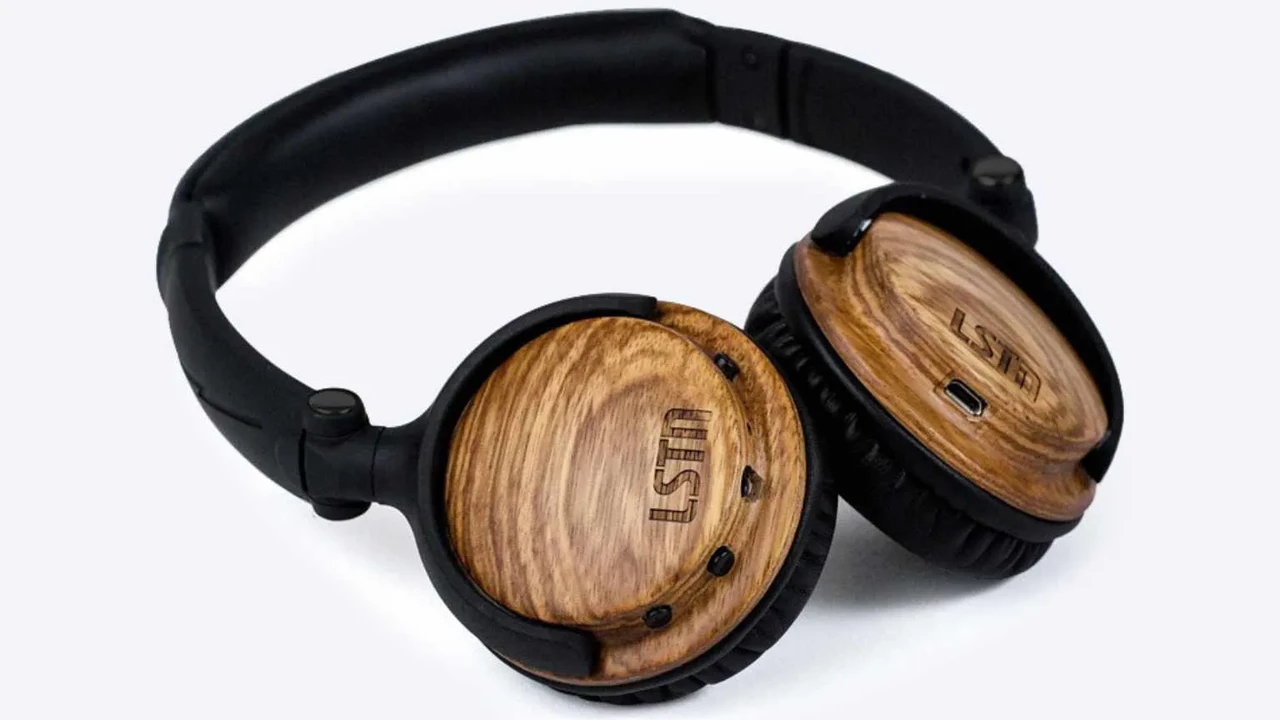
LSTN Troubadour Sustainable On-Ear Headphones
LSTN is another brand with a strong social and environmental mission. For every product sold, LSTN helps restore hearing to a person in need through the Starkey Hearing Foundation. Their Troubadour headphones are a stylish and sustainable on-ear option. They feature real wood earcups (often made from reclaimed wood or sustainably sourced timber like cherry, beech, or ebony), which not only look great but also contribute to a rich, natural sound. The earcups are often made from reclaimed wood, giving each pair a unique grain. The metal components are often recycled aluminum. These headphones are known for their comfortable fit and clear, crisp audio. While they don't offer active noise cancellation, their passive noise isolation is decent. They are wired headphones, which some prefer for consistent audio quality and no battery concerns. They typically retail for around $100-$120, making them an accessible entry point into sustainable audio.
Nocs NS700 V2 Sustainable In-Ear Headphones
For those who prefer in-ear options, Nocs, a Swedish audio company, has made strides in sustainability. Their NS700 V2 in-ear headphones are designed with durability and repairability in mind. They feature a modular design, meaning components can be replaced if they break, extending the product's lifespan. The housing is often made from recycled aluminum, and the cables are designed to be robust and tangle-free. Nocs emphasizes a minimalist design and a focus on high-quality sound reproduction. They deliver a balanced sound signature with good clarity and detail. While not as widely available as some larger brands, Nocs represents a niche for audiophiles seeking sustainable and repairable in-ear solutions. Expect to pay around $80-$100 for these.
Sustainable Speakers Bringing Eco-Friendly Sound to Your Space
From portable Bluetooth speakers to home audio systems, sustainable options are emerging that prioritize recycled materials, energy efficiency, and responsible manufacturing.
House of Marley Get Together 2 Mini Portable Bluetooth Speaker
Continuing their commitment to sustainability, House of Marley offers the Get Together 2 Mini, a compact and powerful portable Bluetooth speaker. Like their headphones, this speaker incorporates sustainable materials such as bamboo, REWIND™ fabric, and recycled aluminum. Bamboo is a rapidly renewable resource, and its use gives the speaker a distinctive, natural aesthetic. The speaker delivers surprisingly robust sound for its size, with clear highs and punchy bass, making it ideal for outdoor gatherings or small rooms. It's also IP67 dust and water-resistant, adding to its durability and versatility. With up to 15 hours of playtime, it's a reliable companion for your adventures. The packaging is, of course, 100% recyclable. This speaker typically costs around $120-$150.
IKEA Eneby Portable Bluetooth Speaker
IKEA, known for its flat-pack furniture, has also ventured into sustainable electronics. The Eneby portable Bluetooth speaker, while not explicitly marketed as 'sustainable' in the same vein as House of Marley, embodies IKEA's broader commitment to responsible sourcing and design for disassembly. The speaker features a minimalist design with a fabric front made from recycled polyester. Its simple, modular construction makes it easier to repair or recycle components at the end of its life. The Eneby offers decent sound quality for its price, with a clear and balanced output suitable for casual listening. It's powered by a rechargeable battery, offering good portability. Its affordable price point (around $50-$70) makes it an accessible option for those looking for a basic, responsibly designed portable speaker.
Sonos Era 100 Smart Speaker Focus on Repairability and Recycled Content
While Sonos might not be the first brand that comes to mind for 'sustainable audio,' they have made significant strides with their newer products like the Era 100. Sonos has publicly committed to reducing its environmental impact, focusing on product longevity, repairability, and increasing the use of recycled content. The Era 100, a compact smart speaker, incorporates post-consumer recycled (PCR) plastic in its construction. Sonos has also designed it for easier disassembly and repair, moving away from glued components. The packaging is made from 100% sustainably sourced paper. Sound-wise, the Era 100 delivers impressive stereo sound and deeper bass than its predecessor, the Sonos One. It supports Wi-Fi and Bluetooth connectivity, and integrates with voice assistants. While a premium product (around $250-$280), its improved sustainability features make it a noteworthy option for those seeking smart home integration with a greener conscience.
Key Considerations When Buying Sustainable Audio Tech
Navigating the world of sustainable audio can be tricky, as 'greenwashing' is a real concern. Here's what to look for:
Material Transparency What Are They Made Of
Look for brands that clearly state the materials used in their products. Are they using recycled plastics (PCR), responsibly sourced wood (FSC certified), organic cotton, hemp, or other bio-based materials? Avoid products that are vague about their material composition.
Design for Longevity and Repairability Built to Last
A truly sustainable product is one that lasts. Look for modular designs, easily replaceable parts (like ear pads or cables), and readily available repair guides or services. Brands that offer extended warranties or take-back programs also demonstrate a commitment to product lifespan.
Energy Efficiency and Charging Solutions Powering Up Responsibly
For wireless devices, consider battery life and charging efficiency. Are they using standard USB-C charging, which reduces cable waste? Do they have power-saving modes? For home speakers, look for low standby power consumption.
Ethical Manufacturing and Supply Chains Beyond the Product Itself
Investigate the brand's commitment to ethical labor practices and transparent supply chains. Do they have certifications from organizations like Fair Trade or B Corp? This ensures that the product was made under fair and safe conditions.
Packaging Minimal and Recyclable
Sustainable audio devices should come in minimal, plastic-free, and easily recyclable packaging. Look for cardboard, paper, or compostable materials instead of excessive plastic clamshells or foam inserts.
Certifications and Standards Trustworthy Badges
While not always present, certifications like EPEAT (Electronic Product Environmental Assessment Tool) or Cradle to Cradle can indicate a product's environmental performance. Look for brands that are transparent about their environmental goals and progress.
The Future of Sustainable Audio Innovation on the Horizon
The sustainable audio market is still relatively nascent but growing rapidly. We can expect to see more innovations in the coming years. This includes further development in bio-based and biodegradable materials, advanced recycling technologies for electronics, and even more sophisticated modular designs that allow for easy upgrades and repairs. The integration of AI for optimizing energy consumption in smart speakers and the development of truly circular economy models where products are designed to be fully recycled or repurposed are also on the horizon. As consumer demand for eco-friendly products continues to rise, more mainstream brands will likely invest heavily in sustainable practices, making it easier for everyone to make greener choices without compromising on sound quality.
Ultimately, choosing sustainable audio devices is a step towards a more responsible consumption pattern. It's about enjoying your favorite music, podcasts, or audiobooks with the peace of mind that your tech choices are contributing positively to the planet. So, next time you're in the market for new headphones or speakers, consider the eco-friendly options. Your ears, and the Earth, will thank you.
:max_bytes(150000):strip_icc()/277019-baked-pork-chops-with-cream-of-mushroom-soup-DDMFS-beauty-4x3-BG-7505-5762b731cf30447d9cbbbbbf387beafa.jpg)