Top Smart Sprinkler Systems for Water Efficiency
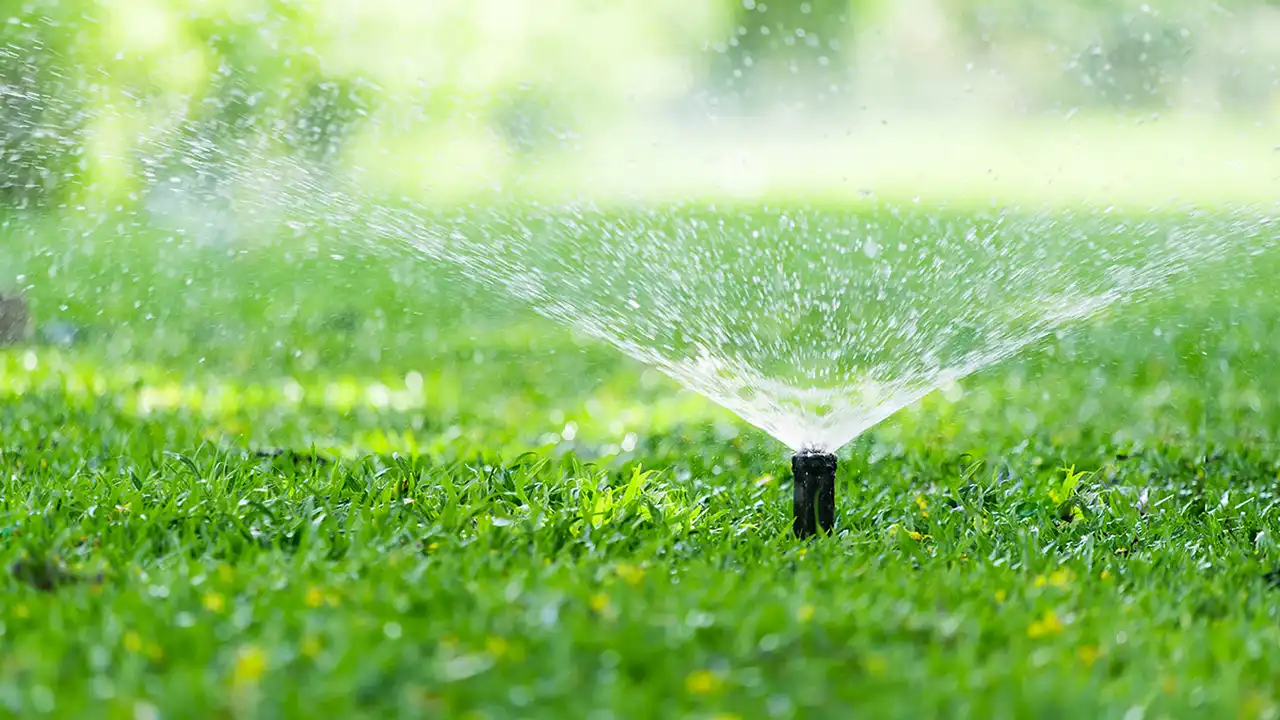
Manage your lawn watering efficiently with the best smart sprinkler systems. Learn about weather-based scheduling and remote control features.Are you tired of overwatering your lawn or forgetting to water it altogether? Do you want to save money on your water bill and contribute to environmental conservation? Smart sprinkler systems are the answer. These innovative devices take the guesswork out of lawn care, using advanced technology to water your plants precisely when and how much they need it. Forget about fixed schedules; smart sprinklers adapt to real-time weather conditions, soil moisture levels, and even plant types, ensuring optimal hydration without waste.
Understanding Smart Sprinkler Technology and Benefits
Smart sprinkler systems are a significant upgrade from traditional irrigation controllers. Instead of simply turning on and off at pre-set times, they leverage a variety of data points to make intelligent watering decisions. This section delves into the core technology and the numerous benefits you can expect from integrating a smart sprinkler system into your home.
How Smart Sprinklers Work: Sensors, Data, and Automation
At the heart of every smart sprinkler system is its ability to gather and process information. Most systems connect to your home's Wi-Fi network and access local weather forecasts, including temperature, humidity, rainfall, and wind speed. Some advanced models also integrate with soil moisture sensors placed directly in your lawn, providing hyper-localized data on actual soil conditions. This data is then fed into sophisticated algorithms that calculate the precise watering duration and frequency needed for each zone of your yard. This intelligent automation means your system will automatically skip watering if it's raining or if the ground is already sufficiently moist, preventing overwatering and runoff.
Key Benefits of Smart Irrigation Systems: Savings, Healthier Lawns, and Convenience
- Water Savings: This is perhaps the most significant benefit. By watering only when necessary and in optimal amounts, smart sprinklers can reduce your outdoor water consumption by up to 50% or more. This translates directly into lower water bills, saving you money month after month.
- Healthier Landscape: Overwatering can be just as detrimental as underwatering, leading to root rot, fungal diseases, and nutrient leaching. Smart systems provide just the right amount of water, promoting deeper root growth and a more resilient, vibrant lawn and garden.
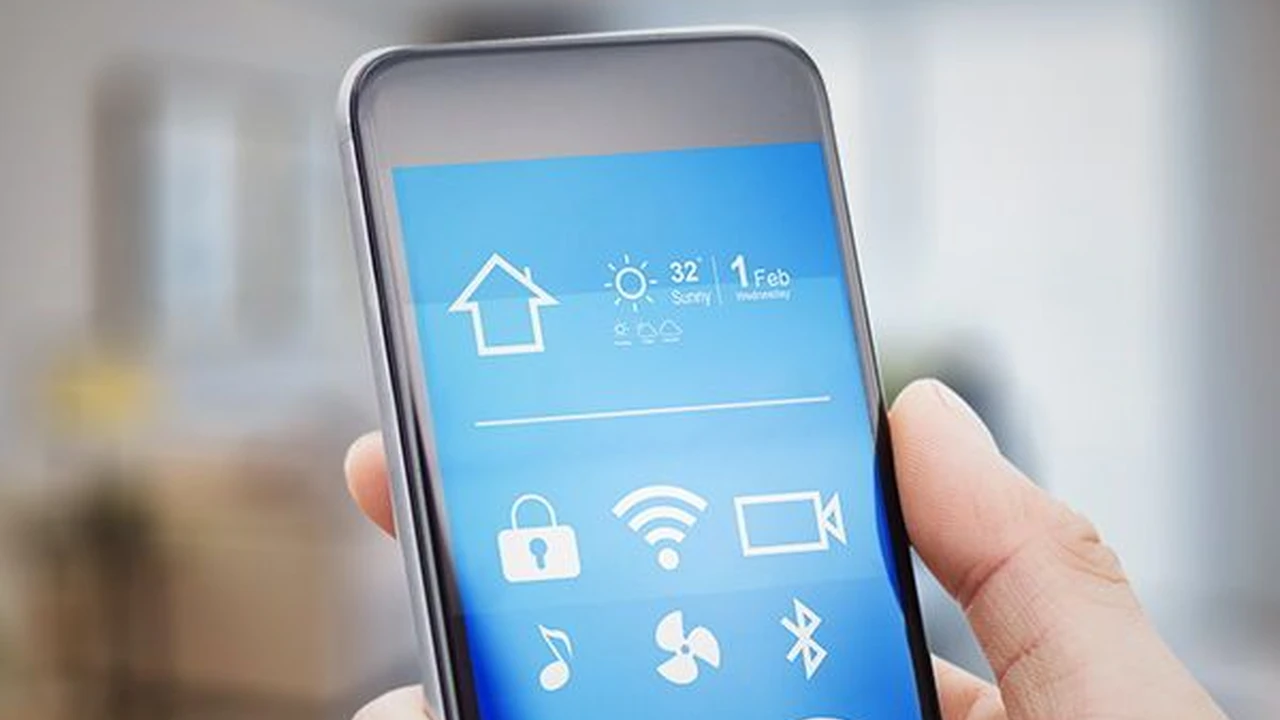
- Increased Convenience: Manage your entire irrigation system from anywhere using a smartphone app. Adjust schedules, pause watering, or check system status with a few taps. No more running outside in the rain to turn off the sprinklers!
- Environmental Impact: Conserving water is crucial for the environment. By reducing water waste, you contribute to sustainable practices and help preserve this precious resource.
- Property Value: A well-maintained, healthy landscape enhances your home's curb appeal and can increase its overall value.
Top Smart Sprinkler System Recommendations: Features, Pricing, and Use Cases
Choosing the right smart sprinkler system depends on your specific needs, yard size, and budget. Here, we'll highlight some of the leading products on the market, comparing their features, typical pricing, and ideal use cases.
Rachio 3 Smart Sprinkler Controller: Advanced Weather Intelligence and User-Friendly Interface
The Rachio 3 is consistently ranked as one of the best smart sprinkler controllers available, known for its robust weather intelligence and intuitive app. It's an excellent choice for homeowners who want a set-it-and-forget-it solution with powerful customization options.
- Key Features:
- Hyperlocal Weather Intelligence Plus: Connects to thousands of weather stations and uses advanced algorithms to predict and react to weather changes, ensuring precise watering.
- Flex Daily Schedules: Automatically adjusts watering based on plant type, soil type, sun exposure, and local weather.
- Seasonal Shift: Automatically adjusts watering duration as seasons change.
- Rain Skip, Wind Skip, Freeze Skip: Automatically skips watering based on real-time conditions.
- Flow Sensor Compatibility: Can detect leaks and provide flow monitoring (with optional flow sensor).
- Easy Installation: Designed for DIY installation in 30 minutes or less.
- Smart Home Integration: Works with Amazon Alexa, Google Assistant, Apple HomeKit, and Samsung SmartThings.
- Pricing:
- 8-zone model: Approximately $199 - $229 USD
- 16-zone model: Approximately $249 - $279 USD
- Ideal Use Case: Perfect for homeowners with medium to large yards, those who prioritize advanced weather-based scheduling, and users who appreciate a highly intuitive and feature-rich mobile app. It's also a great choice for those looking for broad smart home compatibility.
Rain Bird LNK WiFi Module (for ESP-ME3/TM2 Controllers): Integrating Existing Systems
If you already have a Rain Bird ESP-ME3 or ESP-TM2 irrigation controller, the LNK WiFi Module is a cost-effective way to upgrade your existing system to smart capabilities without replacing the entire controller. It's a popular choice for those looking for a seamless transition to smart irrigation.
- Key Features:
- Plug-and-Play Installation: Easily inserts into compatible Rain Bird controllers.
- Remote Control: Manage your irrigation system from anywhere via the Rain Bird mobile app.
- Weather Data Integration: Utilizes local weather data to adjust watering schedules.
- Seasonal Adjust: Automatically modifies watering times based on seasonal changes.
- Cycle and Soak: Prevents runoff by breaking watering times into shorter cycles.
- Diagnostic Alerts: Notifies you of potential issues with your system.
- Pricing:
- LNK WiFi Module: Approximately $70 - $90 USD (requires compatible Rain Bird controller, sold separately)
- Ideal Use Case: Best for homeowners who already own a compatible Rain Bird ESP-ME3 or ESP-TM2 controller and want to add smart features without a full system overhaul. It's a budget-friendly way to get smart watering capabilities.
Wyze Sprinkler Controller: Affordable Smart Watering with Wyze Ecosystem Integration
Wyze is known for its affordable smart home devices, and their sprinkler controller is no exception. It offers essential smart watering features at a competitive price, making it an attractive option for budget-conscious consumers or those already invested in the Wyze ecosystem.
- Key Features:
- Weather-Based Watering: Uses local weather data to adjust schedules.
- Zone Control: Manage up to 8 zones independently.
- Manual Control: Easily run zones manually from the app.
- Rain Skip: Automatically skips watering when rain is detected.
- Freeze Skip: Prevents watering in freezing conditions.
- Easy Setup: Simple installation process.
- Wyze App Integration: Control alongside other Wyze devices like cameras and smart plugs.
- Pricing:
- 8-zone model: Approximately $50 - $60 USD
- Ideal Use Case: Excellent for homeowners on a tighter budget, those with smaller to medium-sized yards, or existing Wyze users who want to expand their smart home ecosystem. It provides core smart watering functionality without breaking the bank.
Orbit B-hyve Smart Sprinkler Controller: Versatile Options and Local Control
The Orbit B-hyve offers a range of smart sprinkler solutions, including indoor/outdoor controllers and hose faucet timers, providing flexibility for various irrigation setups. It's praised for its user-friendly app and the option for local control even without Wi-Fi.
- Key Features:
- WeatherSense Technology: Uses local weather data to optimize watering schedules.
- Smart Watering: Automatically adjusts based on soil type, plant type, sun/shade, and historical weather data.
- Catch Cup Feature: Allows for precise watering calibration based on actual water output.
- Manual Control: Physical buttons on the controller for manual operation, even without the app.
- Multi-Site Management: Control multiple B-hyve devices from a single app.
- Indoor/Outdoor Models: Available in various zone configurations (6, 12, 16 zones) and suitable for indoor or outdoor installation.
- Hose Faucet Timer Option: For smaller gardens or potted plants.
- Smart Home Integration: Works with Amazon Alexa and Google Assistant.
- Pricing:
- 6-zone indoor/outdoor: Approximately $90 - $110 USD
- 12-zone indoor/outdoor: Approximately $120 - $140 USD
- Hose Faucet Timer: Approximately $60 - $70 USD
- Ideal Use Case: Suitable for a wide range of users, from those with small gardens needing a hose faucet timer to larger properties requiring a multi-zone controller. Its local control option is a plus for those who prefer physical interaction, and the Catch Cup feature appeals to users who want highly accurate watering.
Hunter Hydrawise Smart Wi-Fi Controller: Professional-Grade Features and Flow Monitoring
Hunter is a well-respected name in professional irrigation, and their Hydrawise controllers bring that expertise to the smart home. These systems are often recommended for larger, more complex landscapes or for users who want advanced monitoring capabilities.
- Key Features:
- Predictive Watering: Uses highly accurate local weather data (including optional personal weather stations) to adjust schedules.
- Flow Meter Compatibility: Integrates with flow meters to detect leaks, broken pipes, and provide precise water usage reporting (flow meter sold separately).
- Virtual Flow Meter: Estimates water usage even without a physical flow meter.
- Advanced Reporting: Detailed reports on water usage, savings, and system health.
- Cycle and Soak: Prevents runoff on sloped areas.
- Sensor Inputs: Supports rain sensors, soil moisture sensors, and flow sensors.
- Professional-Grade Durability: Built to last in outdoor environments.
- Smart Home Integration: Works with Amazon Alexa and Control4.
- Pricing:
- HC (6-zone): Approximately $200 - $250 USD
- HC (12-zone): Approximately $250 - $300 USD
- PRO-HC (more zones, professional features): Higher pricing, varies by model.
- Ideal Use Case: Best for homeowners with larger, more complex landscapes, those who want professional-grade reliability and advanced monitoring features like flow detection, or users who are comfortable with a slightly more involved setup for maximum control and efficiency.
Installation and Setup: Getting Your Smart Sprinkler System Running
Installing a smart sprinkler controller is generally a straightforward DIY project for most homeowners, especially if you're replacing an existing traditional controller. However, understanding the steps involved and potential considerations can make the process even smoother.
DIY Installation Steps: Replacing Your Old Controller
- Power Off: Crucially, turn off the power to your existing sprinkler controller at the breaker box to avoid electrical shock.
- Document Wiring: Take a clear photo of your existing controller's wiring. Note which wire goes into which zone terminal (e.g., Zone 1, Zone 2, etc.) and identify the common wire (usually labeled 'C' or 'COM').
- Disconnect Old Controller: Carefully disconnect all wires from your old controller and remove it from the wall.
- Mount New Controller: Mount the new smart sprinkler controller in the same location, or a suitable new spot, following the manufacturer's instructions.
- Connect Wires: Connect the wires from your sprinkler valves to the corresponding zone terminals on the new smart controller. Connect the common wire to the 'C' or 'COM' terminal. If you have a master valve or pump start relay, connect those wires as well.
- Power On: Restore power to the controller at the breaker box.
- Connect to Wi-Fi: Follow the in-app instructions to connect your new smart controller to your home's Wi-Fi network. This is usually a simple process involving entering your Wi-Fi password.
- Configure Zones: Use the mobile app to configure each zone. You'll typically input information like plant type, soil type, sun exposure, and sprinkler head type for each zone. This data helps the system create optimized watering schedules.
- Test System: Run a quick test of each zone from the app to ensure all sprinklers are working correctly.
Professional Installation: When to Consider Expert Help
While DIY installation is common, there are situations where professional help might be beneficial:
- No Existing System: If you're installing a brand new irrigation system from scratch, including laying pipes and installing sprinkler heads, professional installation is highly recommended.
- Complex Wiring: If your existing system has unusually complex wiring, multiple common wires, or other non-standard configurations, an irrigation professional can ensure correct setup.
- Troubleshooting: If you encounter persistent issues during installation or after setup, a professional can diagnose and fix problems efficiently.
- Large Properties: For very large or intricate landscapes with many zones, a professional can help optimize zone configuration and ensure even coverage.
Optimizing Your Smart Sprinkler System for Maximum Efficiency
Simply installing a smart sprinkler system is the first step. To truly maximize its efficiency and benefits, you'll want to fine-tune its settings and consider additional accessories. This section provides tips for getting the most out of your smart irrigation investment.
Fine-Tuning Schedules: Zone-Specific Settings and Customization
While smart controllers offer automated schedules, taking the time to customize zone settings can significantly improve performance:
- Accurate Zone Information: Ensure you've accurately entered the plant type (e.g., grass, shrubs, flowers), soil type (e.g., clay, loam, sand), sun exposure (full sun, partial shade), and sprinkler head type (e.g., rotor, spray, drip) for each zone. This data is critical for the system's algorithms.
- Slope and Runoff: If you have sloped areas, enable 'cycle and soak' or 'smart cycle' features. This breaks watering into shorter intervals, allowing water to penetrate the soil without running off.
- Watering Restrictions: Input any local watering restrictions (e.g., odd/even days, specific hours) into the app to ensure compliance.
- Seasonal Adjustments: While most smart systems do this automatically, periodically review and manually adjust seasonal percentages if you notice your landscape is consistently too wet or too dry during extreme weather.
Integrating Sensors: Soil Moisture and Flow Meters
Adding external sensors can provide even more precise data to your smart sprinkler system:
- Soil Moisture Sensors: These sensors are buried in your lawn and directly measure the moisture content of the soil. When integrated with your smart controller, they can override scheduled watering if the soil is already wet enough, preventing unnecessary irrigation. This is particularly useful in areas with unpredictable rainfall.
- Flow Meters: Installed in your main irrigation line, flow meters monitor the actual water flow through your system. They can detect leaks, broken pipes, or clogged sprinkler heads by identifying abnormal flow rates, sending immediate alerts to your phone. This can save significant amounts of water and prevent costly damage.
Regular Maintenance and Troubleshooting Tips
- Inspect Sprinkler Heads: Periodically check your sprinkler heads for clogs, damage, or misalignment. A misaligned head can waste water by spraying sidewalks or driveways.
- Clean Filters: If your system has filters, clean them regularly to maintain optimal water pressure and prevent clogs.
- Check for Leaks: Even without a flow meter, keep an eye out for unusually wet spots in your yard, which could indicate a leak.
- Winterization: In colder climates, properly winterize your system to prevent pipes from freezing and bursting. This usually involves blowing out the lines with compressed air.
- App Updates: Keep your smart sprinkler app and controller firmware updated to ensure you have the latest features and security patches.
- Wi-Fi Connectivity: Ensure your Wi-Fi signal is strong at the controller's location. A weak signal can lead to connectivity issues and prevent the system from accessing weather data.
The Future of Smart Sprinkler Systems: AI, Hyper-Personalization, and Sustainability
The evolution of smart sprinkler technology is far from over. As artificial intelligence, advanced sensor technology, and a greater focus on sustainability continue to develop, we can expect even more sophisticated and efficient irrigation solutions in the coming years.
Emerging Technologies: AI-Powered Watering and Predictive Analytics
Future smart sprinkler systems will likely incorporate even more advanced AI and machine learning. This could mean:
- Predictive Plant Health: AI could analyze not just weather and soil data, but also plant growth patterns, nutrient levels, and even detect early signs of plant stress or disease, adjusting watering to promote optimal health.
- Hyper-Personalized Zones: Even more granular control, potentially allowing for individual plant watering needs within a single zone.
- Robotic Integration: Imagine robotic lawnmowers that communicate with your sprinkler system to coordinate watering and mowing schedules for maximum efficiency.
- Satellite Imagery and Drones: Future systems might integrate with satellite imagery or drone data to assess large landscapes, identify dry spots, and optimize watering across vast areas.
Sustainability and Water Conservation: The Driving Force
As water scarcity becomes a more pressing global issue, the emphasis on sustainable irrigation will only grow. Smart sprinkler systems are at the forefront of this movement, and future innovations will continue to push the boundaries of water conservation:
- Greywater Integration: Systems that can safely utilize treated greywater (from sinks, showers, and laundry) for irrigation, further reducing reliance on potable water.
- Rainwater Harvesting Integration: Seamlessly integrating with rainwater harvesting systems, using collected rainwater before tapping into municipal supplies.
- Real-Time Water Pricing: Potentially adjusting watering schedules based on real-time water pricing, allowing users to water during off-peak hours when water is cheaper.
- Community-Wide Optimization: Future systems might be able to communicate with each other within a community to optimize water usage across neighborhoods, contributing to broader conservation efforts.
Investing in a smart sprinkler system is not just about convenience; it's a smart financial decision and a step towards a more sustainable lifestyle. With continuous advancements, these systems will only become more intelligent, efficient, and indispensable for modern home and landscape management.
:max_bytes(150000):strip_icc()/277019-baked-pork-chops-with-cream-of-mushroom-soup-DDMFS-beauty-4x3-BG-7505-5762b731cf30447d9cbbbbbf387beafa.jpg)