Comparing Smart Doorbells with Advanced Features
Why Smart Doorbells are a Must-Have for Modern Homes
Smart doorbells have revolutionized how we interact with our front doors, offering far more than just a chime. They provide an invaluable layer of security, convenience, and peace of mind. Imagine being able to see and speak to visitors from anywhere in the world, whether you're at work, on vacation, or just in another room. This capability is particularly useful for monitoring package deliveries, deterring potential intruders, or simply knowing when your kids get home from school. Beyond security, smart doorbells integrate seamlessly with other smart home devices, creating a more connected and automated living environment. They can trigger smart lights when motion is detected, record video to cloud storage, and even unlock smart locks for trusted visitors. The evolution of these devices has brought about advanced features like facial recognition, package detection, and even pre-recorded responses, making them an indispensable part of any modern smart home setup. They are not just about answering the door; they are about managing your home's entry point intelligently and proactively.
Key Features to Look for in a Smart Doorbell
When diving into the world of smart doorbells, understanding the key features is crucial to making an informed decision. It's not just about picking the prettiest one; it's about finding the device that best fits your specific needs and lifestyle. Here's a breakdown of what to prioritize:
Video Quality and Field of View for Clear Monitoring
This is arguably the most important feature. You want a doorbell that offers clear, crisp video, ideally in 1080p HD or even 2K/4K resolution. A wider field of view (FoV) is also essential, typically 160 degrees or more, to capture a broader area around your doorstep. This helps you see not just the person directly in front of the door, but also anyone approaching from the sides or packages left on the ground. Look for HDR (High Dynamic Range) support for better image clarity in varying light conditions, and excellent night vision (infrared or color) to ensure visibility after dark.
Motion Detection and Customizable Zones for Smart Alerts
Effective motion detection is key to security. The best smart doorbells allow you to customize motion zones, so you only get alerts for activity in specific areas, like your porch, rather than every car passing by on the street. Advanced features include person detection, which differentiates between people, animals, and vehicles, reducing false alarms. Some even offer package detection, alerting you when a delivery has arrived or been picked up.
Two-Way Audio and Pre-Recorded Responses for Communication
Being able to speak to visitors remotely is a core function. Look for clear two-way audio with noise cancellation to ensure conversations are easily understood. Some doorbells offer pre-recorded responses, allowing you to quickly answer common questions or give instructions (e.g., 'Please leave the package by the door') even when you're busy or unable to speak.
Power Options and Installation Flexibility
Smart doorbells typically come in two main power options: wired or battery-powered. Wired doorbells offer continuous power and often more advanced features, but require existing doorbell wiring. Battery-powered options are easier to install and more flexible in placement, but require periodic recharging. Consider your home's existing setup and your comfort level with DIY installation.
Storage Options and Subscription Plans for Video Playback
How your video recordings are stored is crucial. Most smart doorbells offer cloud storage, often requiring a monthly or annual subscription fee. Some also provide local storage options via an SD card or a hub, which can save you money in the long run. Understand the storage duration, resolution, and accessibility of your recordings before committing.
Smart Home Integration and Ecosystem Compatibility
If you already have a smart home ecosystem (e.g., Amazon Alexa, Google Assistant, Apple HomeKit), ensure your chosen doorbell is compatible. Seamless integration allows for voice commands, automated routines (like turning on lights when motion is detected), and viewing the doorbell feed on smart displays.
Top Smart Doorbells on the Market: A Detailed Comparison
Let's dive into some of the leading smart doorbells available today, comparing their features, use cases, and pricing to help you make the best choice.
Ring Video Doorbell Pro 2: The Feature-Packed Powerhouse
The Ring Video Doorbell Pro 2 is a top-tier option for those seeking advanced features and a robust ecosystem. It requires existing doorbell wiring for continuous power.
- Key Features: It boasts 1536p HD+ Head-to-Toe Video, providing an expanded vertical field of view so you can see more of your porch, including packages. It features 3D Motion Detection with Bird's Eye View, which gives you an aerial perspective of motion events, showing the path a visitor took. Two-way talk with Audio+ offers enhanced noise cancellation. It also integrates seamlessly with Alexa, allowing you to see who's at the door on your Echo Show or Fire TV.
- Use Cases: Ideal for homeowners who want comprehensive coverage of their front door area, precise motion detection, and deep integration with the Ring and Alexa ecosystem. Excellent for monitoring package deliveries and deterring porch pirates.
- Pros: Excellent video quality, wide field of view, advanced motion detection, reliable performance, vast accessory ecosystem.
- Cons: Requires wired installation, subscription (Ring Protect Plan) is necessary for video recording and advanced features, higher price point.
- Price: Approximately $249.99 USD. Ring Protect Basic plan starts at $3.99/month or $39.99/year.
Google Nest Doorbell (Battery): Smart and Versatile
The Google Nest Doorbell (Battery) offers flexibility with its battery-powered design, making it suitable for homes without existing doorbell wiring, though it can also be wired for continuous power.
- Key Features: It records in 960p HD video with a 145-degree diagonal field of view. What sets it apart is its intelligent alerts: it can differentiate between people, packages, animals, and vehicles, sending specific notifications. It offers three hours of event video history without a subscription, which is a significant advantage. With a Nest Aware subscription, you get up to 60 days of event video history and familiar face detection. Two-way talk is clear, and it integrates perfectly with Google Assistant and Nest devices.
- Use Cases: Perfect for renters or homeowners who want easy installation without wiring, or those already invested in the Google Home/Nest ecosystem. Great for smart, categorized alerts.
- Pros: Flexible power options, intelligent alerts without subscription (for basic history), excellent integration with Google Assistant, sleek design.
- Cons: Lower video resolution than some competitors, full features require Nest Aware subscription, battery life can vary based on activity.
- Price: Approximately $179.99 USD. Nest Aware subscription starts at $6/month or $60/year.
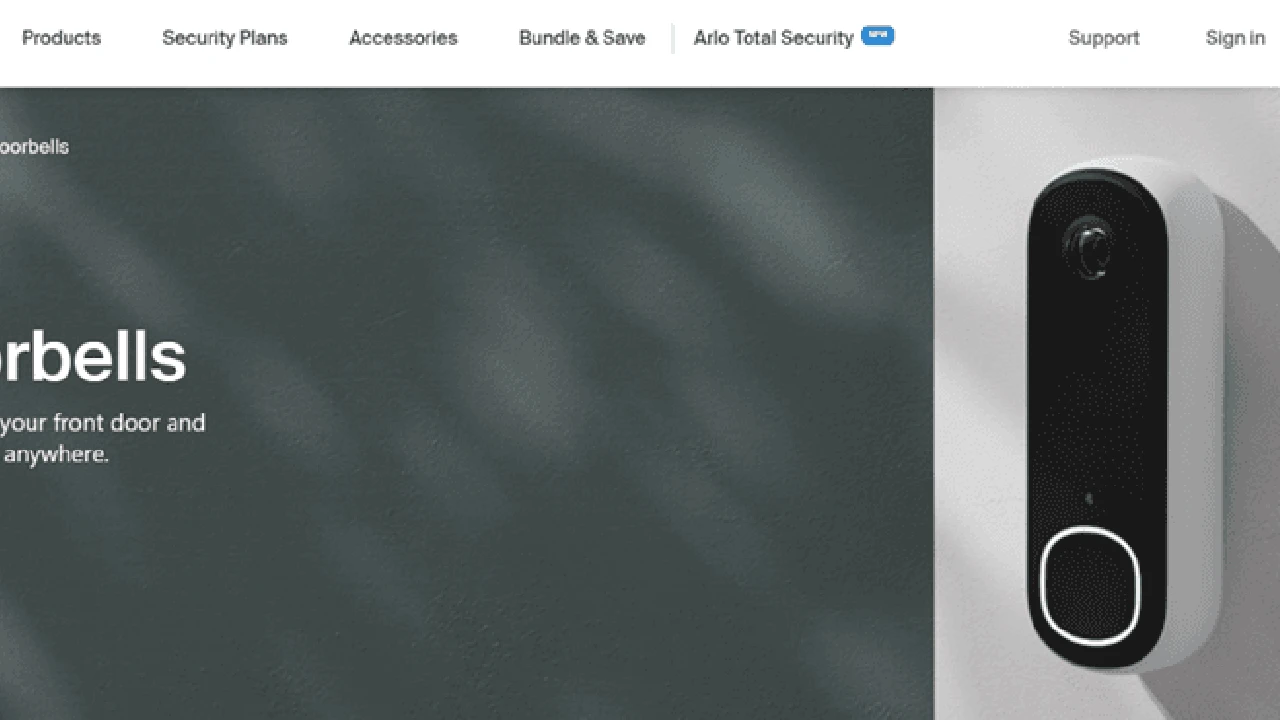
Arlo Essential Video Doorbell Wire-Free: Robust and Reliable
The Arlo Essential Video Doorbell Wire-Free is another strong contender, especially for those who prioritize a completely wire-free setup and integration with the Arlo security camera ecosystem.
- Key Features: It captures 1080p HD video with a 180-degree diagonal viewing angle, giving you a wide perspective. It offers direct-to-mobile video calls when someone presses the doorbell, allowing for quick responses. Person, vehicle, animal, and package detection are available with an Arlo Secure plan. It also features a built-in siren that can be triggered remotely to deter intruders.
- Use Cases: Ideal for users who want a truly wire-free installation, a wide field of view, and the ability to integrate with other Arlo security cameras and systems. Good for comprehensive home security.
- Pros: Wide field of view, wire-free installation, direct video calls, local storage option (with Arlo SmartHub), built-in siren.
- Cons: Battery life can be inconsistent, full features require Arlo Secure subscription, some users report occasional connectivity issues.
- Price: Approximately $199.99 USD. Arlo Secure plan starts at $4.99/month.
Eufy Video Doorbell 2K (Wired): No Subscription, High Resolution
The Eufy Video Doorbell 2K (Wired) stands out for its high-resolution video and, crucially, its lack of a mandatory subscription for video storage, making it a cost-effective long-term solution.
- Key Features: It records in crisp 2K (2560x1920) resolution, offering superior detail. It comes with a HomeBase 2 (or can use existing Eufy HomeBase) that provides 16GB of local storage, meaning no monthly fees for video recording. It features AI human detection, reducing false alarms. Two-way audio is clear, and it offers pre-recorded responses. It's compatible with Amazon Alexa and Google Assistant.
- Use Cases: Best for users who want high-resolution video, prioritize local storage to avoid subscription fees, and prefer a wired installation for continuous power. Excellent for privacy-conscious individuals.
- Pros: 2K video resolution, no monthly fees for local storage, reliable AI human detection, strong privacy features.
- Cons: Requires wired installation, HomeBase is necessary (though often included), no package detection.
- Price: Approximately $159.99 USD (often bundled with HomeBase 2). No ongoing subscription fees.
Wyze Video Doorbell Pro: Affordable and Feature-Rich
The Wyze Video Doorbell Pro offers an impressive array of features at a very competitive price point, making smart home security accessible to more people.
- Key Features: It supports both wired and wireless (battery) installation, offering great flexibility. It records in 1440x1440 HD video with a 150-degree field of view and a 1:1 aspect ratio, allowing you to see visitors head-to-toe. It includes smart motion detection (person, package, vehicle, pet) with a Cam Plus subscription. Two-way audio, a built-in siren, and a chime are also included.
- Use Cases: Ideal for budget-conscious consumers who still want a feature-rich smart doorbell. Great for those who appreciate flexible installation options and a wide range of smart alerts.
- Pros: Very affordable, flexible power options, good video quality, smart alerts, local storage option (with microSD card in chime), built-in siren.
- Cons: Battery life can be short with high activity, full smart alerts require Cam Plus subscription, some advanced features might not be as polished as higher-end models.
- Price: Approximately $93.99 USD. Wyze Cam Plus subscription starts at $1.99/month or $19.99/year.
Installation and Setup: What to Expect
Installing a smart doorbell can range from a simple DIY project to something that might require a professional, depending on the model and your home's existing setup. Battery-powered doorbells are generally the easiest to install, often just requiring you to mount them to your doorframe or wall with a few screws. Wired doorbells, on the other hand, connect to your existing doorbell wiring. This usually involves turning off power at the breaker, removing your old doorbell, connecting two wires, and then mounting the new device. While straightforward for many, if you're uncomfortable working with electrical wiring, it's always best to consult an electrician. Once physically installed, the setup process typically involves downloading the manufacturer's app, creating an account, and following on-screen instructions to connect the doorbell to your home Wi-Fi network. This usually involves scanning a QR code or entering a password. You'll then customize settings like motion zones, notification preferences, and integration with other smart home devices. Most apps provide clear, step-by-step guides, making the software setup relatively painless.
Maximizing Your Smart Doorbell Experience
Getting the most out of your smart doorbell goes beyond just installation. Here are some tips to enhance your experience:
Optimizing Motion Detection Settings
Don't just leave the motion detection at default. Spend some time in the app to define specific motion zones that cover your porch and entry points, excluding busy streets or sidewalks. Adjust sensitivity levels to minimize false alarms from passing cars or swaying trees. If your doorbell offers person or package detection, enable these features to receive more relevant alerts.
Integrating with Your Smart Home Ecosystem
Connect your smart doorbell to your existing smart home hub or voice assistant (Alexa, Google Assistant). This allows for powerful automations. For example, you can set up a routine where your smart lights turn on when motion is detected at night, or have your smart display automatically show the doorbell feed when someone rings. This creates a more cohesive and responsive smart home.
Utilizing Cloud Storage and Local Backup
While many doorbells offer cloud storage, consider if a subscription is worth it for your needs. If you prefer not to pay monthly fees, look for models with local storage options (like Eufy). Regularly review your video history to understand common activity patterns and ensure your settings are optimized. If you have a subscription, make sure you understand the storage duration and how to download important clips.
Regular Maintenance and Troubleshooting
Keep your doorbell's lens clean to ensure clear video quality. For battery-powered models, monitor battery life and recharge as needed. If you experience connectivity issues, try restarting your router or the doorbell itself. Ensure your Wi-Fi signal is strong at your front door; a Wi-Fi extender might be necessary in some cases. Keep the doorbell's firmware updated through the app to access new features and security patches.
The Future of Smart Doorbells: What's Next?
The smart doorbell market is constantly evolving, with new technologies pushing the boundaries of what these devices can do. We're likely to see even more sophisticated AI capabilities, such as advanced facial recognition that can identify known visitors or even distinguish between different family members. Integration with augmented reality (AR) could provide overlays of information directly onto the live feed, showing package details or visitor identities. Enhanced power solutions, perhaps even more efficient solar charging, could make truly wire-free, long-lasting doorbells more common. Furthermore, expect deeper integration with broader smart city initiatives, allowing doorbells to contribute to neighborhood watch programs or even alert emergency services in critical situations. As privacy concerns grow, manufacturers will also focus on offering more robust local processing and storage options, giving users greater control over their data. The future promises even smarter, more secure, and more seamlessly integrated entry management solutions for our homes.
:max_bytes(150000):strip_icc()/277019-baked-pork-chops-with-cream-of-mushroom-soup-DDMFS-beauty-4x3-BG-7505-5762b731cf30447d9cbbbbbf387beafa.jpg)