Top Eco-Friendly Printers and Ink Solutions
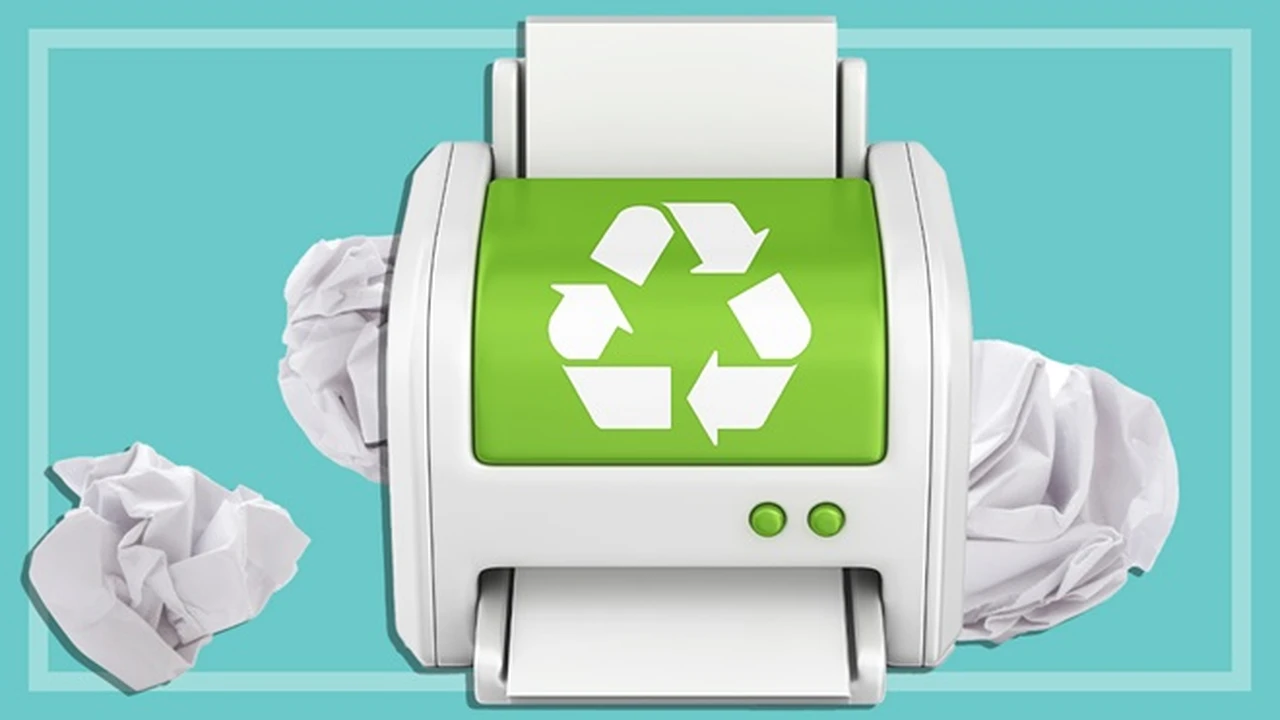
Hey there, eco-conscious tech enthusiast! Are you looking to print documents, photos, or anything else without feeling guilty about your carbon footprint? You've come to the right place. In today's world, where sustainability is more than just a buzzword, it's crucial to make choices that benefit both us and the planet. And guess what? Your printing habits can make a significant difference. We're talking about eco-friendly printers and ink solutions – a game-changer for anyone looking to reduce waste, save energy, and still get high-quality prints.
For too long, printers have been seen as energy guzzlers and waste generators, churning out empty cartridges and consuming excessive power. But times are changing! Manufacturers are stepping up, designing innovative printers that are not only efficient but also environmentally sound. And it's not just about the hardware; the ink you use plays a massive role too. From refillable tanks to plant-based inks, there are tons of options out there to help you print greener.
This comprehensive guide will walk you through everything you need to know about choosing the best eco-friendly printers and ink solutions. We'll dive deep into what makes a printer 'eco-friendly,' explore different types of sustainable ink, compare top models, and even give you some practical tips for greener printing. So, let's get started and make your printing process as sustainable as possible!
Understanding Eco-Friendly Printing What Makes a Printer Green
Before we jump into specific products, let's clarify what 'eco-friendly' actually means in the context of printers. It's not just about a fancy label; there are several key factors that contribute to a printer's environmental friendliness. Understanding these will help you make informed decisions.
Energy Efficiency and Power Consumption
One of the biggest environmental impacts of electronic devices is their energy consumption. An eco-friendly printer is designed to use less power, both when actively printing and in standby mode. Look for printers with ENERGY STAR certification, which indicates they meet strict energy efficiency guidelines set by the U.S. Environmental Protection Agency. Features like automatic duplex printing (printing on both sides of the paper) also reduce paper waste, indirectly contributing to energy savings by requiring fewer print jobs.
Sustainable Materials and Manufacturing Processes
The materials used to build the printer matter. Many manufacturers are now incorporating recycled plastics and other sustainable materials into their printer components. Beyond the materials, the manufacturing process itself can be more environmentally friendly, with companies striving to reduce waste, water usage, and emissions during production. Some brands even offer take-back programs for old printers, ensuring proper recycling and disposal.
Longevity and Repairability
A truly eco-friendly product is one that lasts a long time, reducing the need for frequent replacements. Look for printers known for their durability and ease of repair. A printer that can be easily serviced or has readily available spare parts is far more sustainable than one designed for obsolescence.
Ink and Toner Solutions Sustainable Consumables
This is a huge one! The environmental impact of ink cartridges is significant. Eco-friendly ink solutions aim to reduce this impact through various methods:
- Refillable Ink Tanks: Instead of disposable cartridges, these printers use large, refillable ink tanks. You buy ink in bottles and simply pour it in, drastically reducing plastic waste and often lowering printing costs.
- Recycled Cartridges: Many companies offer recycling programs for their used cartridges, or you can opt for remanufactured cartridges that have been cleaned, refilled, and tested.
- Plant-Based or Soy-Based Inks: Traditional inks often contain petroleum-based solvents. Eco-friendly alternatives use renewable resources like soy or vegetable oils, which are biodegradable and produce fewer volatile organic compounds (VOCs) during printing.
- Solid Ink Technology: Some printers use solid ink sticks, which are wax-like blocks that melt and transfer to the paper. These produce less waste than traditional cartridges and are often made from non-toxic materials.
Top Eco-Friendly Printer Models A Comparative Review
Alright, let's get to the good stuff – specific printer recommendations! We've handpicked some of the best eco-friendly printers on the market, considering their energy efficiency, sustainable ink solutions, and overall performance. We'll look at different types of printers to suit various needs, from home use to small office environments.
Epson EcoTank Series The King of Refillable Ink
If you're serious about reducing ink cartridge waste and saving money on consumables, the Epson EcoTank series is probably your best bet. These printers ditch traditional cartridges for large, integrated ink tanks that you refill with inexpensive ink bottles. This system dramatically reduces plastic waste and offers incredibly low cost per page.
Epson EcoTank ET-4850 All-in-One Supertank Printer
Use Case: Ideal for home offices, small businesses, and students who print frequently and want to minimize ink costs and waste. It handles documents, photos, and offers scanning, copying, and faxing.
Key Eco-Friendly Features:
- Cartridge-Free Printing: Comes with enough ink to print thousands of pages, equivalent to about 90 individual ink cartridges. This is a massive reduction in plastic waste.
- PrecisionCore Heat-Free Technology: Uses less power than traditional laser printers because it doesn't require heat to warm up. This contributes to lower energy consumption.
- Low Cost Per Page: The ink bottles are very affordable, making it economically sustainable in the long run.
- ENERGY STAR Certified: Meets strict energy efficiency guidelines.
Performance: Offers sharp text and vibrant color prints. Print speeds are decent for an inkjet. The automatic document feeder (ADF) and auto-duplex printing are great for productivity.
Price Range: Typically around $350 - $450 USD, depending on retailers and promotions. While the upfront cost might seem higher than some cartridge-based printers, the long-term savings on ink are substantial.
Pros: Extremely low running costs, massive ink capacity, significant reduction in plastic waste, good print quality, heat-free technology for energy savings.
Cons: Higher initial purchase price, ink refilling can be a bit messy if you're not careful (though Epson's bottles are designed to minimize spills).
Canon PIXMA G Series High-Volume Ink Tank Printers
Canon's PIXMA G series is another strong contender in the refillable ink tank market, offering similar benefits to Epson's EcoTank. They are designed for high-volume printing with a focus on cost-efficiency and reduced waste.
Canon PIXMA G3270 Wireless MegaTank All-in-One Printer
Use Case: Excellent for families, students, and small businesses that need reliable, high-volume printing with an emphasis on photo quality and wireless connectivity.
Key Eco-Friendly Features:
- MegaTank System: Large, integrated ink tanks that are easily refillable, drastically cutting down on cartridge waste.
- High Page Yield: Comes with enough ink to print thousands of pages, reducing the frequency of ink purchases and associated packaging.
- ENERGY STAR Certified: Designed for energy efficiency.
Performance: Known for producing excellent photo prints with vibrant colors, alongside crisp text documents. Wireless connectivity is robust, and setup is generally straightforward.
Price Range: Around $250 - $350 USD. Very competitive pricing for a refillable ink tank printer.
Pros: Great photo print quality, very low cost per page, easy ink refilling, compact design, good wireless features.
Cons: Slower print speeds compared to some competitors, no automatic document feeder on this specific model (though higher G-series models might have it).
HP Smart Tank Series Smart and Sustainable
HP has also entered the refillable ink tank arena with its Smart Tank series, aiming to provide a user-friendly and eco-conscious printing experience.
HP Smart Tank 7301 All-in-One Printer
Use Case: Perfect for home users and small offices that need a reliable all-in-one printer with smart features and a focus on sustainable ink usage.
Key Eco-Friendly Features:
- Integrated Ink Tanks: Similar to Epson and Canon, it uses refillable ink tanks, significantly reducing plastic cartridge waste.
- Automatic Duplex Printing: Helps save paper by printing on both sides automatically.
- ENERGY STAR Certified: Ensures energy efficiency.
- Made with Recycled Content: HP often incorporates recycled plastics into the construction of their printers, contributing to a circular economy.
Performance: Delivers sharp text and decent color graphics. The HP Smart app makes setup and mobile printing incredibly easy. It also features self-healing Wi-Fi for reliable connectivity.
Price Range: Approximately $350 - $450 USD.
Pros: User-friendly HP Smart app, reliable wireless connectivity, good print quality, low running costs, made with recycled materials.
Cons: Print speeds can be average, initial cost is higher than traditional cartridge printers.
Brother INKvestment Tank Series A Hybrid Approach
Brother offers a slightly different take on the high-yield ink system with their INKvestment Tank series. While not fully refillable like the EcoTank or MegaTank, they use larger, internal ink tanks that hold more ink than standard cartridges, reducing replacement frequency and waste.
Brother MFC-J995DW INKvestment Tank All-in-One Printer
Use Case: Great for home users or small offices that want the convenience of cartridges but with significantly higher page yields and lower costs than traditional systems.
Key Eco-Friendly Features:
- INKvestment Tank System: Uses larger, internal ink tanks that last for up to a year of printing, meaning fewer cartridge changes and less waste.
- Automatic Duplex Printing: Saves paper.
- ENERGY STAR Certified: Energy efficient.
- Recycling Program: Brother has a free recycling program for their ink cartridges.
Performance: Reliable performance for both documents and photos. Features include an automatic document feeder, touchscreen display, and versatile connectivity options.
Price Range: Around $250 - $350 USD.
Pros: Very high page yield per cartridge, convenient cartridge replacement (no messy refills), good features for the price, reliable performance.
Cons: Still uses cartridges, albeit larger ones, so not entirely cartridge-free like the EcoTank/MegaTank systems.
Xerox Solid Ink Printers Unique and Eco-Conscious
Xerox offers a unique solid ink technology that stands out for its environmental benefits, particularly in office environments.
Xerox VersaLink C400 Color Printer (Solid Ink)
Use Case: Primarily for small to medium-sized businesses and workgroups that need high-quality color printing with a strong emphasis on environmental responsibility and low waste.
Key Eco-Friendly Features:
- Solid Ink Sticks: These wax-like blocks are compact, produce minimal waste (just a small puck of residue), and come in minimal packaging. They are non-toxic and safe to handle.
- Less Waste: Compared to toner cartridges, solid ink produces up to 90% less waste.
- Lower Energy Consumption: Solid ink printers often have a lower typical electricity consumption (TEC) value than comparable laser printers.
- No Cartridges: Eliminates the need for plastic cartridges entirely.
Performance: Delivers vibrant, consistent color prints on a wide range of media. Known for its reliability and ease of use in office settings.
Price Range: Higher initial investment, typically starting from $500 - $1000+ USD, but with competitive running costs due to the efficient ink system.
Pros: Dramatically reduced waste, vibrant color output, easy to load ink sticks, lower energy consumption than many lasers.
Cons: Higher upfront cost, limited availability compared to inkjet/laser, not ideal for very low-volume home use.
Sustainable Ink Solutions Beyond the Printer
Even if you're not ready to buy a new printer, you can still make your printing more eco-friendly by choosing sustainable ink and toner options. This is where the 'ink solutions' part of our discussion really shines.
Refill Kits and Services The DIY Eco Option
For many standard cartridge-based printers, you can find refill kits that allow you to inject new ink into your empty cartridges. This is a very cost-effective and environmentally friendly option, as it reuses the existing plastic cartridge. Many local print shops also offer refilling services.
Pros: Very low cost, maximum cartridge reuse, significantly reduces plastic waste.
Cons: Can be messy, print quality might vary if not done correctly, not all cartridges are easily refillable.
Remanufactured and Compatible Cartridges A Greener Alternative
Remanufactured cartridges are original equipment manufacturer (OEM) cartridges that have been professionally cleaned, refilled with high-quality ink, and tested to ensure performance. Compatible cartridges are brand-new cartridges made by third-party manufacturers to fit specific printer models.
Pros: Much cheaper than new OEM cartridges, significantly reduces waste by reusing or avoiding new plastic, often perform comparably to OEM.
Cons: Quality can vary between brands, some printer manufacturers try to discourage their use (though it's perfectly legal and often effective).
Plant-Based and Soy-Based Inks The Biodegradable Choice
While more common in commercial printing, some specialized inks for home and office printers are moving towards plant-based formulations. These inks use renewable resources like soy or vegetable oils instead of petroleum. They are biodegradable and release fewer harmful VOCs into the air.
Pros: Biodegradable, lower VOC emissions, uses renewable resources.
Cons: Less widely available for standard home printers, might be more expensive.
Practical Tips for Greener Printing Habits
Beyond choosing the right hardware and ink, your printing habits play a huge role in reducing your environmental impact. Here are some actionable tips:
Print Only When Necessary
This might sound obvious, but it's the most effective way to be eco-friendly. Before hitting print, ask yourself: Do I really need a physical copy? Can I view this on a screen instead? Digital documents save paper, ink, and energy.
Utilize Duplex Printing
Always print on both sides of the paper. Most modern printers have an automatic duplexing feature. If yours doesn't, you can manually flip the paper. This instantly halves your paper consumption.
Use Draft Mode for Non-Essential Prints
For internal documents or drafts, use your printer's 'draft' or 'economy' mode. This uses less ink and often prints faster, saving both resources and time.
Choose Recycled Paper
Opt for paper made from post-consumer recycled content. Look for certifications like the Forest Stewardship Council (FSC) to ensure the paper comes from responsibly managed forests.
Properly Recycle Ink Cartridges and Electronics
Never throw empty ink cartridges or old printers in the regular trash. Many manufacturers (like HP, Epson, Canon, Brother) have free take-back and recycling programs. Office supply stores like Staples or Best Buy also often accept them. For old printers, look for local e-waste recycling centers.
Optimize Print Layouts
Before printing, adjust margins, font sizes, and remove unnecessary images or blank pages to fit more content on fewer sheets of paper.
Unplug Your Printer When Not in Use
Even in standby mode, electronics consume 'vampire energy.' If you don't use your printer frequently, unplug it to save a tiny bit more energy. For regular users, ensure it has an efficient sleep mode.
The Future of Sustainable Printing Innovations on the Horizon
The world of printing is constantly evolving, and sustainability is a key driver of innovation. What can we expect to see in the future?
Cartridge-Free Printing Becoming the Norm
As we've seen with the EcoTank and MegaTank series, refillable ink tanks are gaining popularity. It's highly likely that this technology will become the standard for consumer and small office printers, phasing out traditional disposable cartridges.
More Biodegradable and Plant-Based Inks
Research and development in ink chemistry will continue to push towards more environmentally friendly formulations, with a greater emphasis on renewable resources and non-toxic components.
Advanced Energy Management
Printers will become even smarter about energy consumption, with more sophisticated sleep modes, faster warm-up times, and potentially integration with smart home energy management systems.
Closed-Loop Recycling and Circular Economy
Manufacturers will increasingly adopt closed-loop recycling systems, where materials from old printers and cartridges are directly reused to make new ones, minimizing the need for virgin resources.
Cloud Printing and Serverless Solutions
As more work moves to the cloud, printing solutions will become more integrated, potentially reducing the need for local printer hardware in some scenarios and optimizing resource allocation.
Making the switch to eco-friendly printers and ink solutions is a smart move for your wallet and the planet. By choosing energy-efficient models, opting for refillable ink systems, and adopting greener printing habits, you can significantly reduce your environmental footprint. It's all about making conscious choices that contribute to a more sustainable future, one print job at a time. So go ahead, print responsibly, and feel good about your tech choices!
:max_bytes(150000):strip_icc()/277019-baked-pork-chops-with-cream-of-mushroom-soup-DDMFS-beauty-4x3-BG-7505-5762b731cf30447d9cbbbbbf387beafa.jpg)